
oanna and wholesale.prctea.com: The Story of Spreading Chinese Tea and Teaware Globally
2024年3月8日
Organic Biluochun Wholesale: EU/US Certified Chinese Green Tea for Tea Shops & Corporate Gifting
2025年8月3日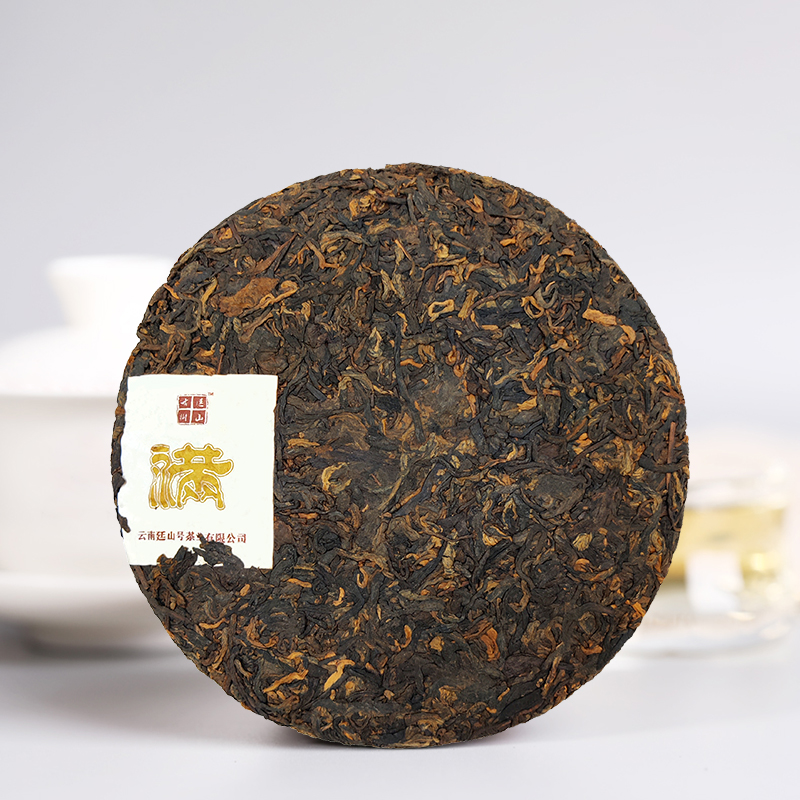
Introduction
Research Background
2015 is a “stable adjustment year” for China’s Pu’er tea industry. After the 2007 market bubble, the industry gradually returned to rationality. In 2015, the “Pu’er craze” shifted from blind speculation to “quality-oriented”, and consumers paid more attention to the authenticity of raw materials and the standardization of craftsmanship. In this year, the spring tea season in Yunnan’s tea areas was humid with sufficient sunlight, and the supply of ancient tree tea raw materials was stable. At the same time, e-commerce channels (such as Tmall and JD tea sections) developed rapidly, making the market coverage of 2015 tea products far exceeding that of 2005, and laying a channel foundation for its subsequent circulation.
Research Purpose
This report aims to provide both ordinary consumers with a “mid-term aged tea tasting guide” and collectors and investors with a “value evaluation framework for aged tea” by disassembling the core characteristics of 2015 Pu’er tea from multiple dimensions. Combining the 2015 producing area environment, craftsmanship innovation and market data, the report will answer core questions such as “why 2015 Pu’er tea is a representative of mid-term aging”, “what are the differences between tea products from different producing areas” and “whether its collection potential is worth paying attention to”, while ensuring the professionalism and popularity of both Chinese and English expressions.
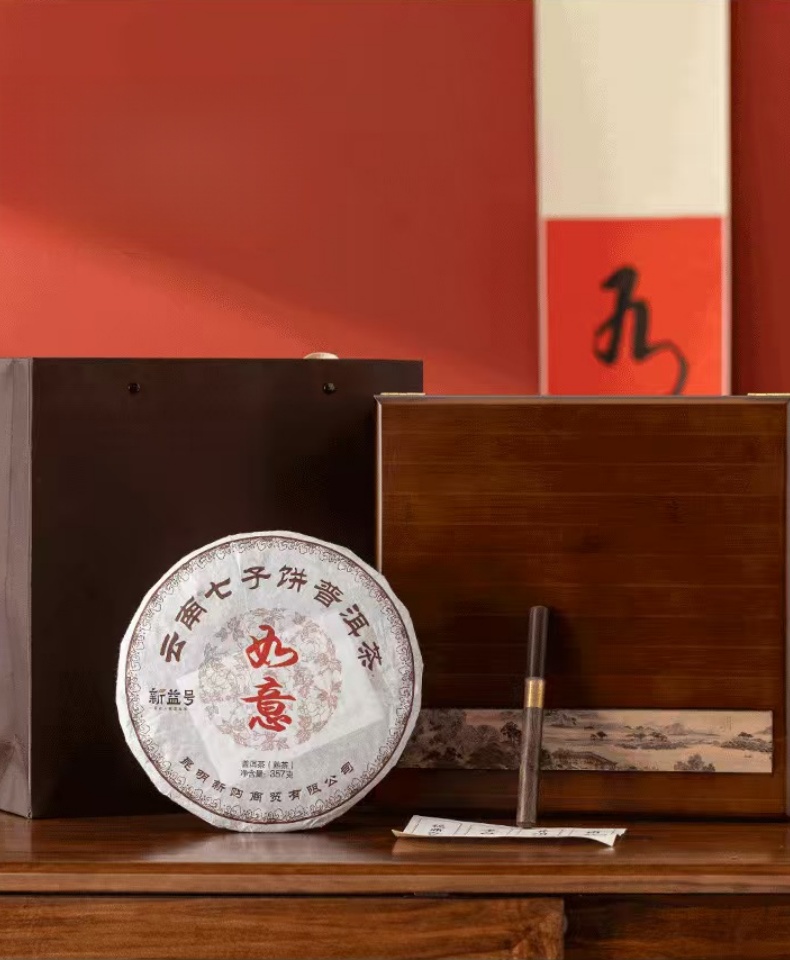
Wholesale 9-Year Organic Pu’er Ripe Tea Cake (357g) – Bulk with Premium Solid Wood Gift Box.$58.72
The Significance of 2015 for Pu'er Tea
Industry Adjustment Period Characteristics
The 2015 Pu’er tea market showed the core characteristic of “rational return”: first, the output increased by about 15% compared with 2014, reaching 120,000 tons, of which ancient tree tea accounted for about 5%, with a total of about 6,000 tons, and the scarcity of raw materials was further highlighted through the concept of “mountain tea”; second, sales channels shifted from traditional offline to “online + offline” integration. In 2015, the sales volume of Pu’er tea on e-commerce platforms accounted for 30%, far exceeding the less than 5% in 2005; third, quality supervision was strengthened, and Yunnan issued the “Protection Specification for Pu’er Tea Geographical Indication Products”, clearly prohibiting “shoddy products” and “year counterfeiting”, and the industry standardization was significantly improved.
https://wholesale.prctea.com/portfolio-item/10-year-organic-puer-ripe-dragon-pearls-500g-wholesale-bulk-with-high-end-wood-barrel-packaging-24-78/
Aging Advantages
By 2024, 2015 Pu’er tea has undergone 9 years of aging, and is in the “key stage of mid-term aging”, with both palatability and aging potential. From the perspective of changes in internal substances, tea polyphenols decreased by about 10% during aging, and the astringency was significantly alleviated; the contents of theaflavins and soluble sugars increased by 8% and 6% respectively, making the taste more gentle and the sweet aftertaste more lasting. In addition, the storage of 2015 tea products was mainly “standardized dry warehouse” (relative humidity 55%-65%), and some tea enterprises introduced constant temperature storage technology, avoiding the temperature and humidity fluctuations of traditional storage, making the tea’s aging aroma more pure and laying a good foundation for the subsequent 5-10 years of aging.
Origin Traceability and Raw Material Characteristics
Distribution of Core Producing Areas
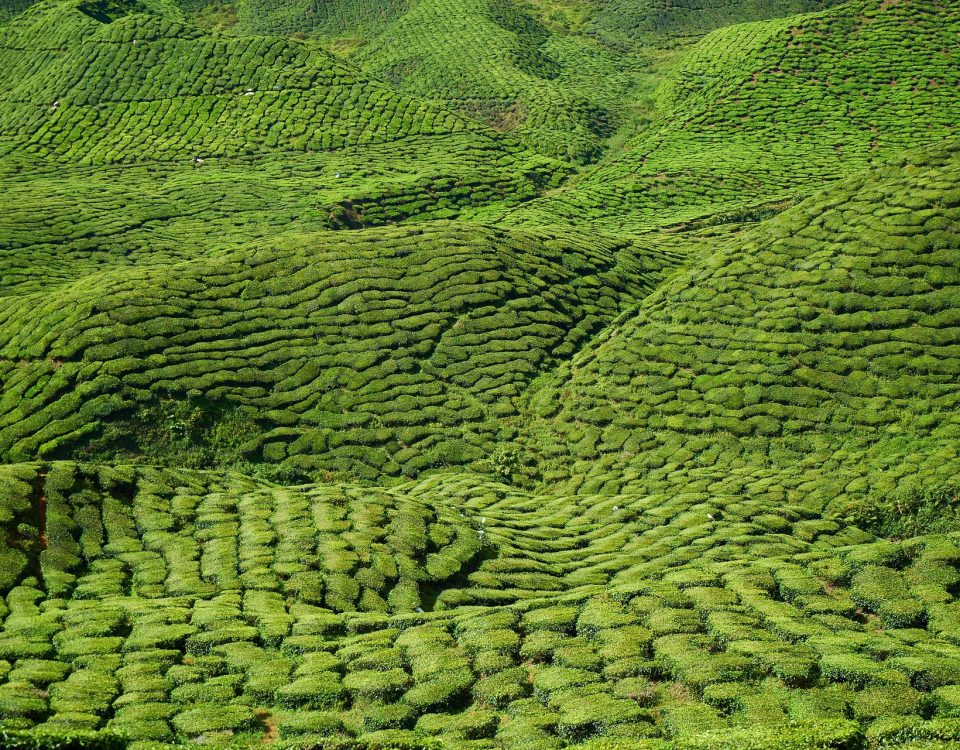
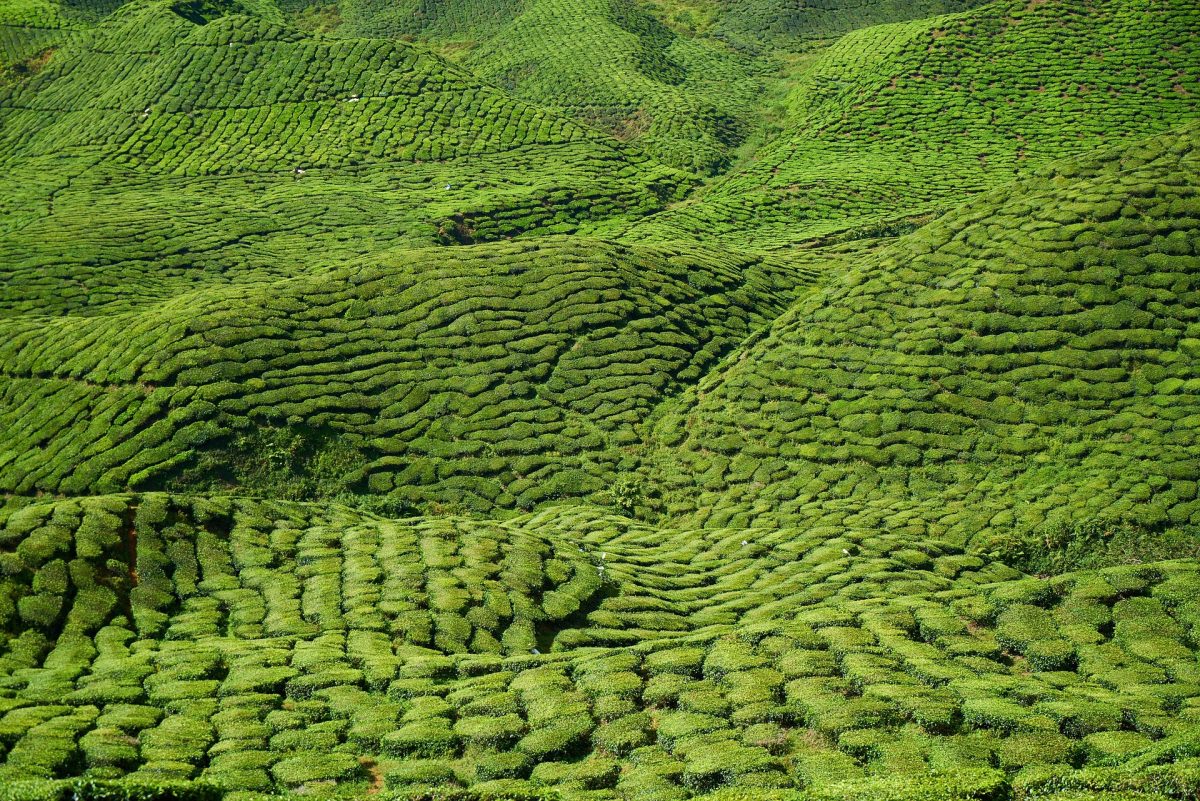
In 2015, Pu’er tea raw materials were still mainly from the three major tea areas in Yunnan, but the “mountain tea” segmentation was more clear, and the characteristics of each producing area were more prominent:
- Xishuangbanna Tea Area: The core mountainous areas are Yiwu (Bohetang, Wangong) and Menghai (Laobanzhang, Bingdao Nanpo). The ancient tree tea in Yiwu Bohetang in 2015 had plump buds, with a tea polyphenol content of about 26%. Due to its scarce output (only about 50 tons), it was mostly used as high-end customized tea that year; Menghai Laobanzhang tea is famous for its “domineering” taste. In 2015, the raw material price had reached more than 2,000 yuan per kilogram, 10 times that of tableland tea.
- Lincang Tea Area: Focus on Mengku (Bingdao Laozhai, Xiaohusai) and Fengqing (Xiangzhuqing). The output of ancient tree tea in Bingdao Laozhai in 2015 was about 30 tons, which became a market hotspot due to its “sweet and fresh high aroma”. The ex-factory price of cake tea made that year was about 3,000 yuan per cake (357g); Xiaohusai tea had high cost performance and was the mainstream choice in the mid-end market.
- Puer City Tea Area: Centered on Jingmai (Mangjing, Wengji) and Bangwei. The 2015 tea products of ancient tea trees in Jingmai Mangjing had a unique “orchid fragrance and honey rhyme”, suitable for daily drinking; Bangwei tea had a sweet and fresh taste, with a tea polyphenol content of about 22%, and was mostly sold as loose tea or small-sized cake tea (100g) that year.
Impact of Origin on Quality
The differences in natural environment of each producing area in 2015 directly shaped the basic quality of tea products:
- Soil: The Xishuangbanna Tea Area is mostly lateritic red soil with an organic matter content of about 3%, making the tea taste thick; the Lincang Tea Area is mainly yellow-brown soil with strong air permeability, making the tea aroma more high; the Puer City Tea Area is red soil with high mineral content, making the tea’s aftertaste more obvious.
- Climate: During the spring tea season (March-May) in Yunnan in 2015, the average temperature was 19-23℃, and the rainfall was slightly more than that in 2005 (about 120mm), but evenly distributed, avoiding the raw materials being too tender or too old, and the accumulation of tea internal substances was balanced.
- Altitude: Tea from high-altitude (1300-1900 meters) producing areas (such as Bingdao Laozhai and Bohetang) has a day-night temperature difference of more than 10℃, and the theanine content is about 1.8%-2.2%, far exceeding that of low-altitude producing areas (1.2%-1.5%), with a sweeter taste.
Color and Appearance Identification
Dry Tea Characteristics
The “year mark” of high-quality 2015 Pu’er tea dry tea is clear, and it is easy to distinguish from new tea or old tea:
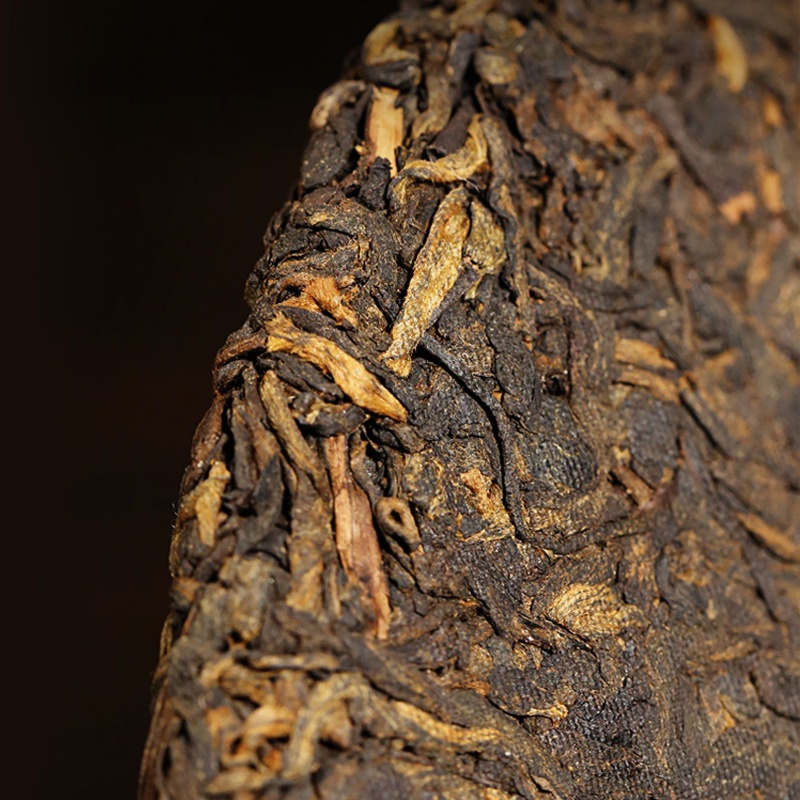
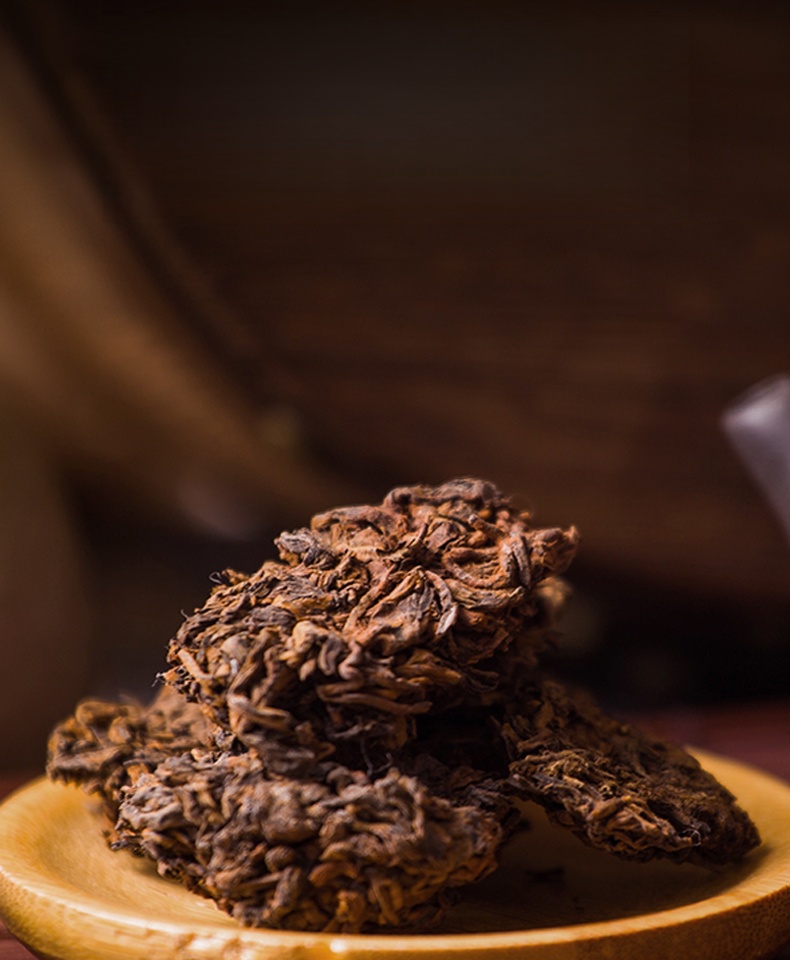
- Color: Dry ancient tree tea is brown with a soft luster; tableland tea is light brown with slightly weak luster. It should be noted that if the dry tea is dark green or black, it may be due to excessive temperature and humidity during storage, leading to slight mildew.
- Shape: Cake tea (mainstream specifications 357g, 200g) has neat edges. In 2015, the mechanical pressing process was more mature, the cake surface was evenly tight, and there were no obvious depressions; loose tea has tight strips, about 2.5-4 cm in length, and tea products with a high proportion of buds (such as Bingdao Laozhai) have fine tea hairs.
- Impurities: In 2015, the raw material screening of formal tea enterprises was more strict. High-quality tea products had no yellow leaves, old stems, or even no crumbs in dry tea, which is an important feature distinguishing them from small-factory tea.
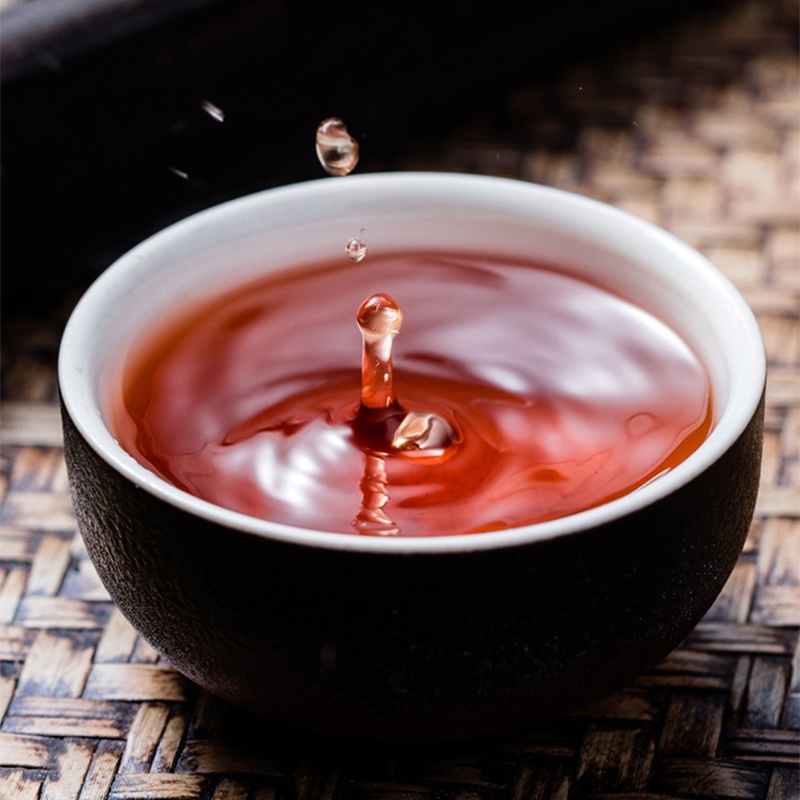
Tea Soup and Leaf Base Performance
The color and leaf base after brewing are the core basis for judging the quality of 2015 Pu’er tea:
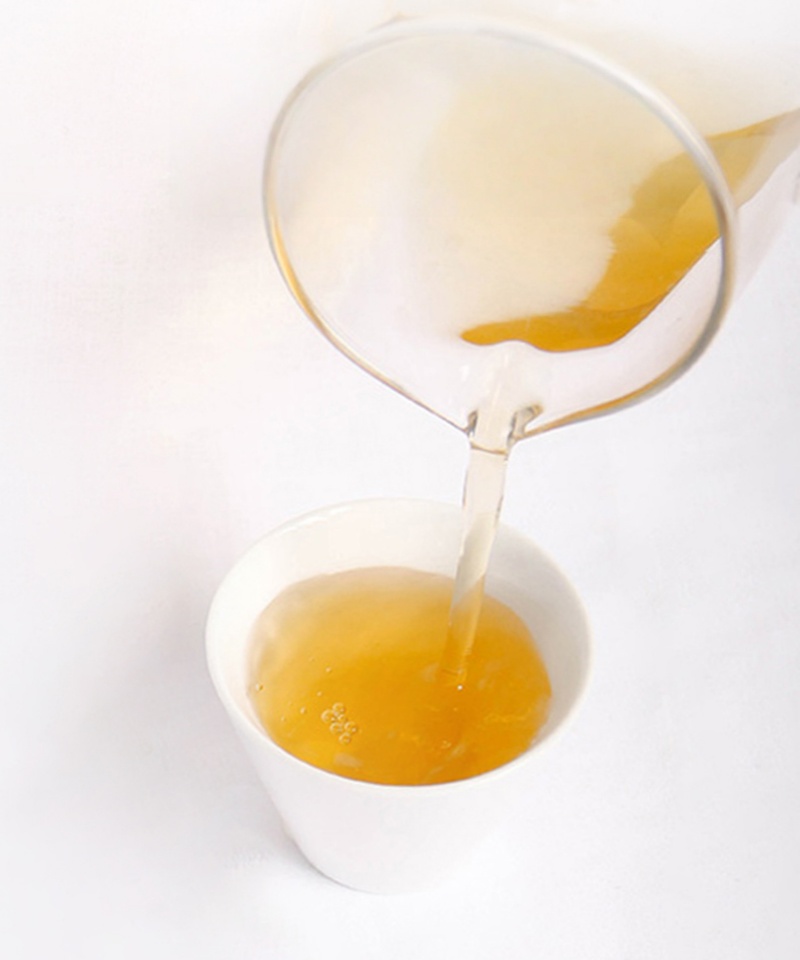
- Tea Soup: From the first to the fourth brew, the tea soup is golden yellow, clear and bright; from the fifth to the tenth brew, the color deepens to orange yellow, with no turbidity at the edges; if the tea soup is dark brown or has precipitation, it may be due to improper fermentation control or storage pollution.
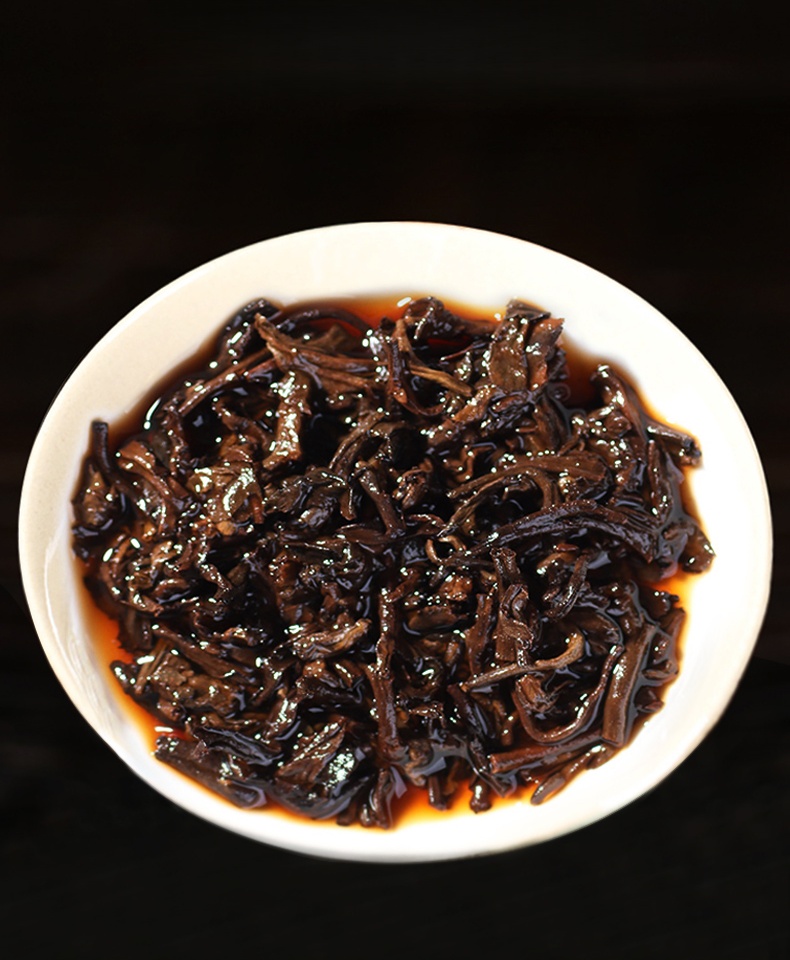
- Leaf Base: The brewed leaf base is soft and tough, with a yellow-brown color and complete leaves (ancient tree tea leaf base is thicker); if the leaf base is brittle, the color is green (insufficiently aged) or black (mildewed), it is an inferior tea product.
- Change Law: When brewing 2015 tea products, the color of the tea soup gradually deepens with the increase of brewing times, then slowly fades, and the overall brewing resistance can reach 12-15 brews; if the color fades quickly in the first 5 brews, the raw material grade may be low or the craftsmanship is rough.
Taste and Aroma Tasting
Taste Layers
The taste of 2015 Pu’er tea varies significantly due to different producing areas and raw materials, but the core commonality is “sweet, gentle, and long-lasting sweet aftertaste”:
- Xishuangbanna Tea Area: Laobanzhang tea has a slight bitterness at the entrance, which can dissipate within 5 seconds. The sweet aftertaste is concentrated on the tongue and throat, with strong tea aroma; Bohetang tea has low astringency, high sweetness, soft taste, and a cool feeling in the aftertaste, suitable for novices.
- Lincang Tea Area: Bingdao Laozhai tea is sweet at the entrance, with fast sweet aftertaste (about 3 seconds) in the middle section, obvious saliva production, and no astringency in the end section; Xiaohusai tea has a mellow taste, light bitterness, and mild sweet aftertaste, suitable for daily drinking.
- Puer City Tea Area: Jingmai Mangjing tea has a sweet taste with orchid fragrance, uniform sweet aftertaste, and no obvious astringency; Bangwei tea has a refreshing taste, smooth tea soup, and a light honey fragrance remains in the mouth after drinking, which is not easy to cause “tea intoxication”.
After 9 years of aging, the aroma of 2015 Pu’er tea has formed a clear layer and retained part of the freshness of new tea:
- Basic Aroma: All 2015 tea products have “light aging aroma”, similar to “wooden aroma + dried fruit aroma”, without pungent feeling, which is different from the strong aging aroma of 2005.
- Producing Area Characteristic Aroma: Laobanzhang tea has “honey aroma + caramel aroma”, Bingdao Laozhai tea has “orchid aroma + sweet fresh aroma”, and Jingmai tea has “orchid aroma + camphor aroma”. These characteristic aromas are most prominent in the 4th to 6th brews.
- Aroma Change Law: The first brew has a fresh aroma, mainly “light aging aroma”; from the second to the seventh brew, the characteristic aroma of the producing area is gradually released, with rich layers; after the eighth brew, the aroma slowly weakens, but still retains a light sweet aroma without peculiar smell.
Wholesale 9-Year Organic Pu’er Ripe Tea Cake (357g) – Bulk with Premium Solid Wood Gift Box.$58.72
Production Craftsmanship and Technical Characteristics
Mainstream Craftsmanship Steps in 2015
In 2015, Pu’er tea production showed the integration characteristics of “traditional craftsmanship + modern improvement”, and the core steps are as follows:
- Picking: Spring tea picking is from late March to mid-May. Ancient tree tea is picked by hand with “one bud and two leaves”, and tableland tea is mainly picked by machine (accounting for 80% of tableland output), with efficiency improved by about 50% compared with 2005.
- Fixing: Mainly “roller fixing” (accounting for 70% of total output), with temperature controlled at 180-200℃ and time about 4-6 minutes, heating more evenly; high-end ancient tree tea still retains “iron pot fixing” to avoid mechanical high temperature destroying aroma substances.
- Rolling: Ancient tree tea is rolled by hand, and tableland tea is rolled by machine. The strength is based on the standard of “strip formation rate over 90%, and the time is about 12-18 minutes, which is 3-5 minutes shorter than that in 2005, reducing the generation of tea crumbs.
- Sun-drying: Combining natural sun-drying with “solar greenhouse sun-drying”. In 2015, rainy areas (such as Lincang) mostly used greenhouse sun-drying to avoid the impact of rain and ensure the tea moisture was stable at 11%-13%.
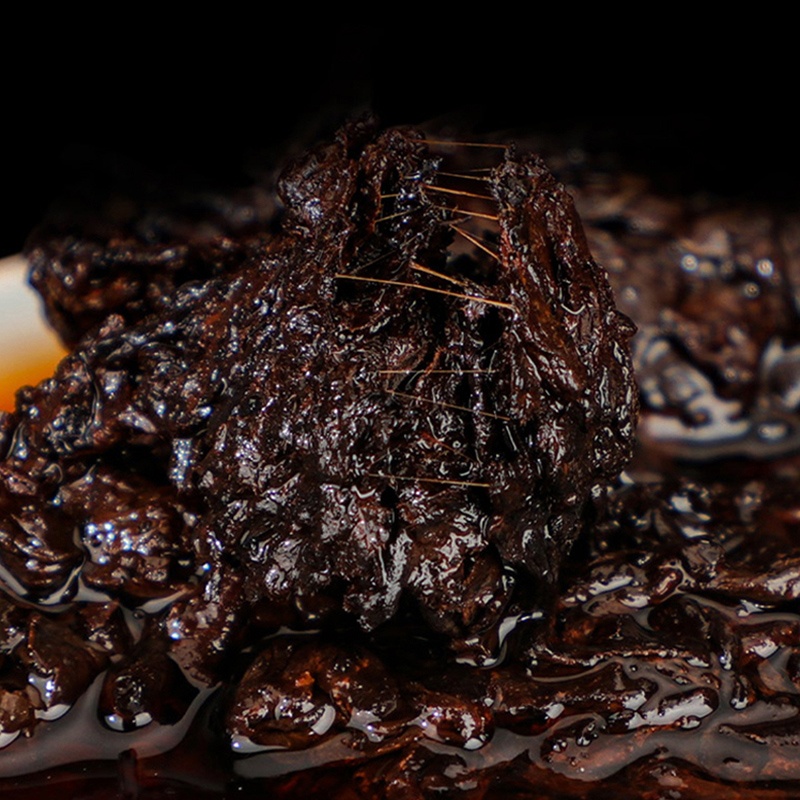
- Fermentation: Ripe tea adopts “constant temperature pile fermentation”, with pile temperature controlled at 38-45℃ and fermentation cycle about 50-65 days. The mainstream fermentation degree in 2015 was “60%-70% fermentation”, taking into account both taste and aging potential; raw tea is not fermented and directly pressed.
- Pressing and Drying: Cake tea is mainly pressed by machine (pressure about 600 kg), with high efficiency and uniform tightness; drying adopts “natural air drying + low-temperature drying” (temperature ≤40℃) to avoid high temperature destroying tea activity.
Wholesale 9-Year Organic Pu’er Ripe Tea Cake (357g) – Bulk with Premium Solid Wood Gift Box.$58.72
Impact of Craftsmanship on Quality
The craftsmanship improvement in 2015 directly optimized the taste and aging potential of tea products:
- Fixing Process: Roller fixing makes the taste of tableland tea more uniform, avoiding the “local burnt taste” problem of iron pot fixing in 2005; iron pot fixing retains the aroma substances of ancient tree tea, making the orchid aroma and honey aroma of 2015 ancient tree tea more prominent.
- Sun-drying and Drying: Solar greenhouse sun-drying ensures the stability of tea moisture, and the mildew rate of 2015 tea products decreased by about 8% compared with 2005; low-temperature drying avoids the loss of theanine, making the tea taste sweeter.
- Fermentation Control: The 60%-70% fermented ripe tea has a tea polyphenol content of about 18%-22%, which not only removes the astringency of raw tea, but also retains sufficient aging substances. When tasting in 2024, obvious taste change potential can still be felt.
Wholesale 10-Year Aged Pu’er Green Orange (250g) – $27.11,Bulk Premium Citrus Pu’er
Value Evaluation and Market Performance
Drinking and Health Value
The 2015 Pu’er tea is in the mid-term aging stage, with balanced and prominent drinking and health value:
- Drinking Value: 9 years of aging has greatly reduced the astringency, with a sweet and gentle taste, suitable for all types of people; raw tea is suitable for consumers who like “layers”, and ripe tea is suitable for people with sensitive intestines and stomach (such as office workers).
- Health Value: The theaflavin content in 2015 ripe tea is about 7%-9%, which has the effect of assisting in regulating metabolism; the caffeine content is about 2.2%-2.8%, lower than the 2024 new tea (3%-3.5%), and daily drinking is not easy to affect sleep. At the same time, the retention of tea polyphenols is about 20%-25%, which has a certain antioxidant effect.
Wholesale 9-Year Organic Pu’er Ripe Tea Cake (357g) – Bulk with Premium Solid Wood Gift Box.$58.72
Collection and Investment Value
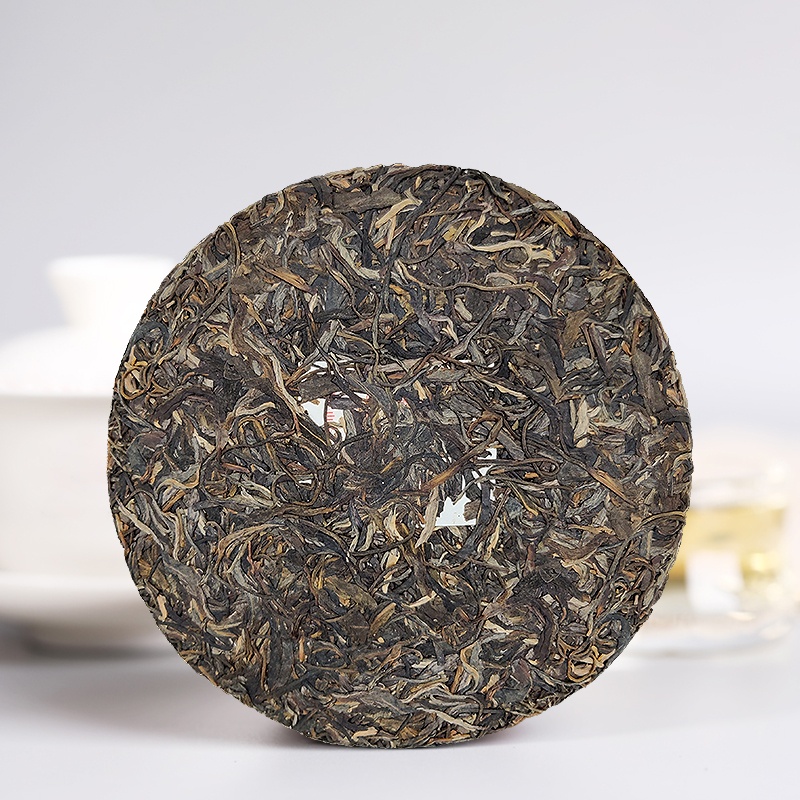
2015 Pu’er tea is a “potential category” for mid-term collection, with the following core reasons:
- Scarcity: The output of ancient tree tea in 2015 was about 6,000 tons. After 9 years of drinking and loss (annual loss of about 3%), the existing high-quality ancient tree tea is less than 4,000 tons, and the concept of mountain tea further amplifies the scarcity.
- Market Demand: From 2018 to 2024, the collection demand for 2015 Pu’er tea increased by an average of 12% per year. Among them, mountain tea products such as Bingdao Laozhai and Laobanzhang had an average annual price increase of about 8%-12%; in 2024, the market price of a well-preserved 2015 Bingdao Laozhai ancient tree cake tea (357g) was about 4,500 yuan, an increase of 50% compared with the 2015 ex-factory price (3,000 yuan).
- Aging Potential: The 2015 tea products have standardized craftsmanship and excellent storage conditions. After 5-10 years of aging in the future, the taste will be more mellow and the aroma will be more intense, and collectors generally are optimistic about its long-term value-added space.
Factors Affecting Market Price Fluctuations
The price of 2015 Pu’er tea is affected by multiple factors, and the fluctuation logic is clear:
- Quality and Mountain: The price of mountain tea is much higher than that of ordinary tea. In 2024, the price of 2015 Laobanzhang ancient tree tea cake (357g) was about 8,000 yuan, 10 times that of the tableland tea cake (about 800 yuan) in the same producing area; the price of ancient tree tea in the same mountain is also 3-5 times higher than that of small tree tea.
- Brand Influence: The price of first-tier brand (Dayi, Xiaguan, Chenshenghao) tea products is 40%-60% higher than that of small factories. The price of 2015 Dayi “7542 Classic Version” cake tea (357g) was about 3,200 yuan in 2024, while the small-factory tea products of the same specification in the same period were only 1,200-1,500 yuan.
- Storage Conditions: The price of standardized dry warehouse tea is 1.5-2 times that of ordinary dry warehouse tea. In 2024, the price of 2015 standardized dry warehouse Bingdao Laozhai tea cake was about 4,500 yuan, and the ordinary dry warehouse tea cake was about 2,500 yuan, because the tea products stored in a standardized way have more stable aging.
- Market Cycle: During the recovery period of Pu’er tea market from 2018 to 2020, the price of 2015 tea products increased by about 25%; from 2021 to 2024, it entered a stable period, with the average annual increase falling to 8%-10%, and the market paid more attention to the dual core of “quality + scarcity”.
Wholesale 9-Year Organic Pu’er Ripe Tea Cake (357g) – Bulk with Premium Solid Wood Gift Box.$58.72
Conclusion and Outlook
Core Conclusions
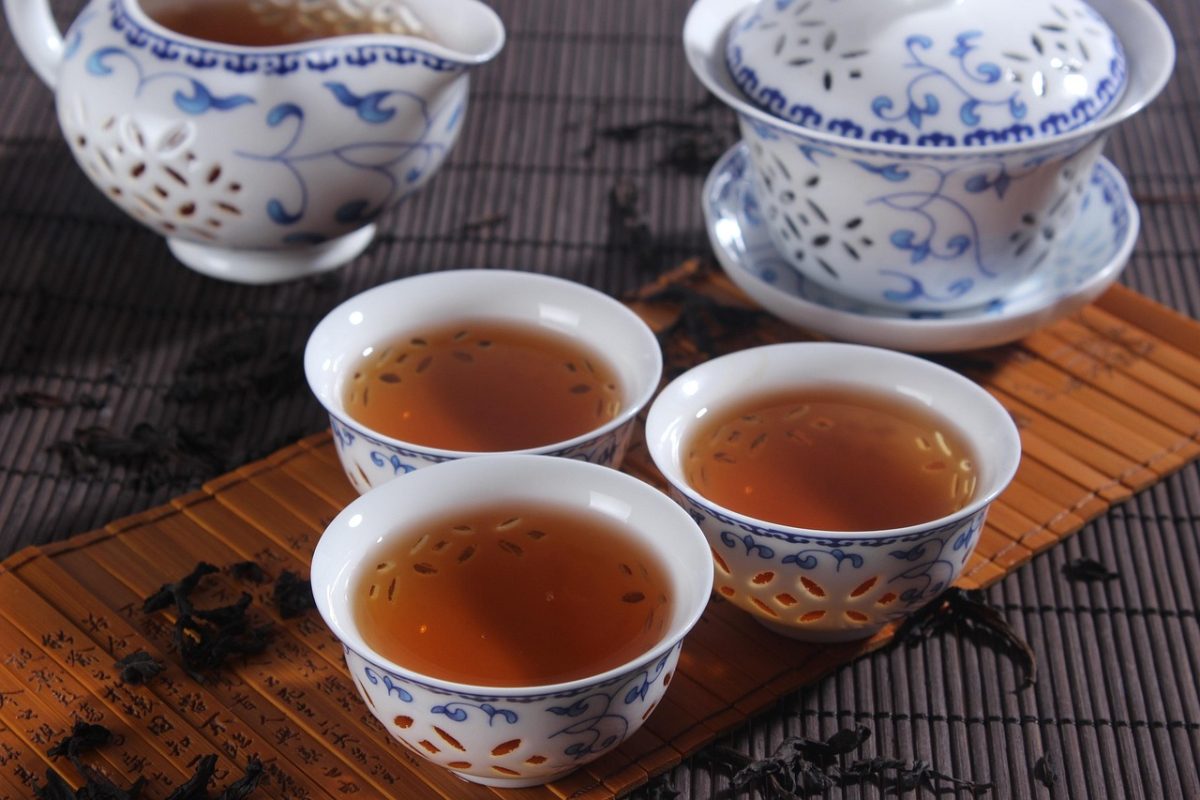
2015 Pu’er tea is the “benchmark of mid-term aging” in the Pu’er tea industry, and its value is concentrated in three aspects: first, the natural conditions are suitable, the climate of the three major tea areas in Yunnan is humid and uniform, and the internal substances of raw materials are balanced; second, the craftsmanship integrates tradition and modernity, and improved processes such as roller fixing and constant temperature fermentation have improved the stability of tea products while retaining the aging potential; third, the market positioning is clear. As a “mid-term collection potential stock”, it not only avoids the astringency of new tea, but also has a lower threshold than old tea (such as 2005), suitable for mass consumers and mid-end collectors.
https://wholesale.prctea.com/portfolio-item/wholesale-9-year-organic-raw-puer-tea-cake-357g-bulk-with-elegant-gift-box-usda-certifiedeu-certified19-21/
Future Outlook
From the perspective of market trends, 2015 Pu’er tea will show two major directions in the next 5 years (2025-2030): first, the price of high-quality tea products from mountainous areas and first-tier brands will continue to grow, with an expected average annual increase of 7%-9%, driven by both scarcity and aging potential; second, market differentiation will intensify, and the price of ordinary tableland tea and small-factory tea products may remain stable or even decline slightly, and consumers and collectors will pay more attention to “mountain traceability + craftsmanship certification”. In addition, with the development of cross-border e-commerce, the overseas demand (such as Southeast Asia, Europe and the United States) for high-quality 2015 Pu’er tea may gradually increase, further opening up market space.
https://wholesale.prctea.com/portfolio-item/bulk-9-year-organic-puer-ripe-cake%ef%bc%88357g%ef%bc%89-eu-certified-usda-certified-elegant-gift-box-for-wholesale-58-18/