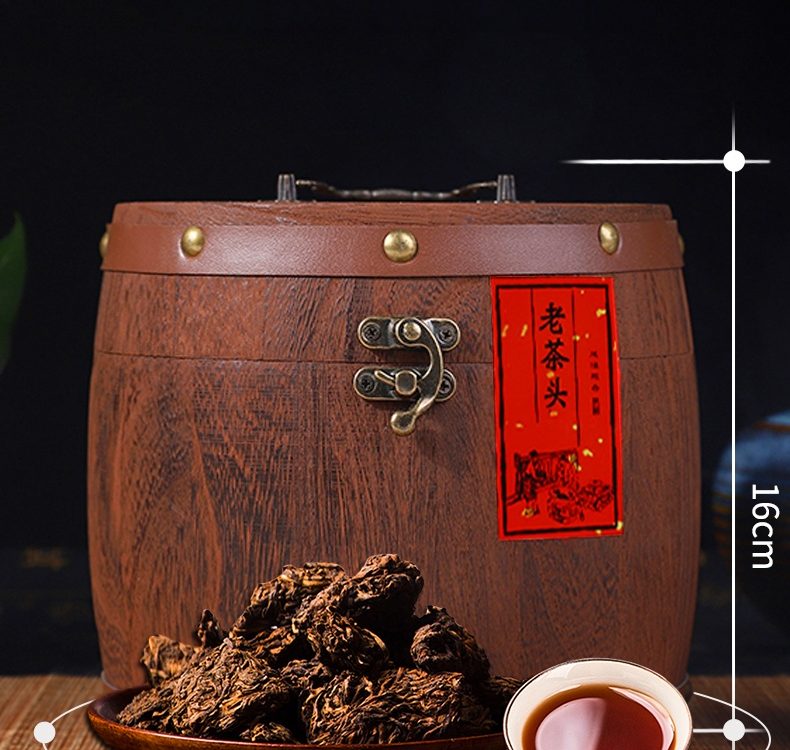
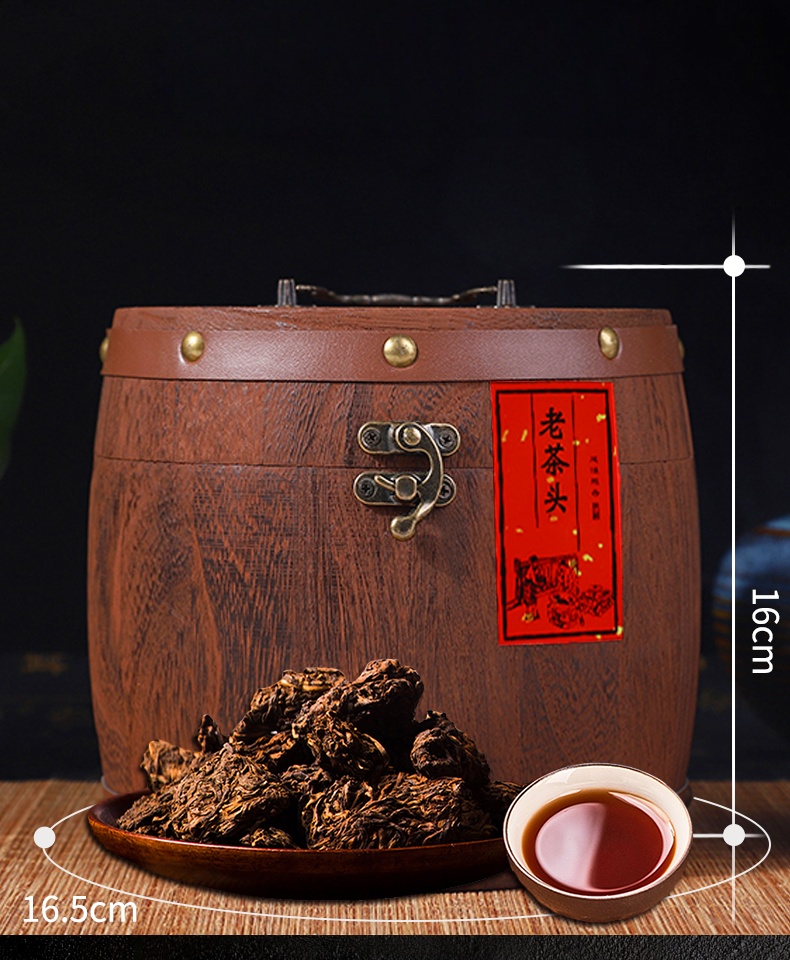
Origin of Pu'er Tea: Millennium Heritage of Yunnan Tea Mountains
Chinese Pu’er tea originated in Xishuangbanna, Pu’er and other places in Yunnan, and became famous for being sold to Tibetan areas via the “Ancient Tea-Horse Road” in ancient times. Its core craftsmanship originated in the Tang Dynasty and gradually matured in the Ming and Qing Dynasties, forming a unique system of “sun-drying, piling, and aging”. The raw Pu’er tea wholesaled on wholesale.prctea.com still uses traditional sun-drying technology to retain the natural activity of fresh leaves; the ripe tea undergoes artificial piling fermentation and has a mellow taste. Although modern fermentation technology can shorten the cycle, traditionally aged Pu’er has more collection value, which makes European tea collectors and American high-end tea shops willing to purchase in bulk for a long time. They believe that the aged aroma of old tea is a unique flavor given by time.
Pu'er Categories: Raw vs Ripe and Diverse Forms
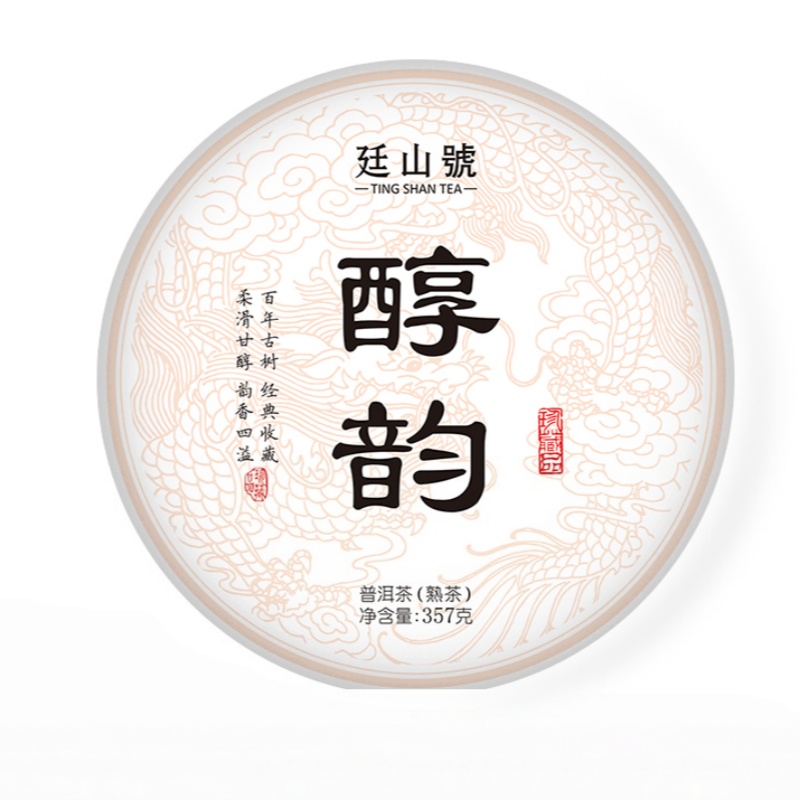
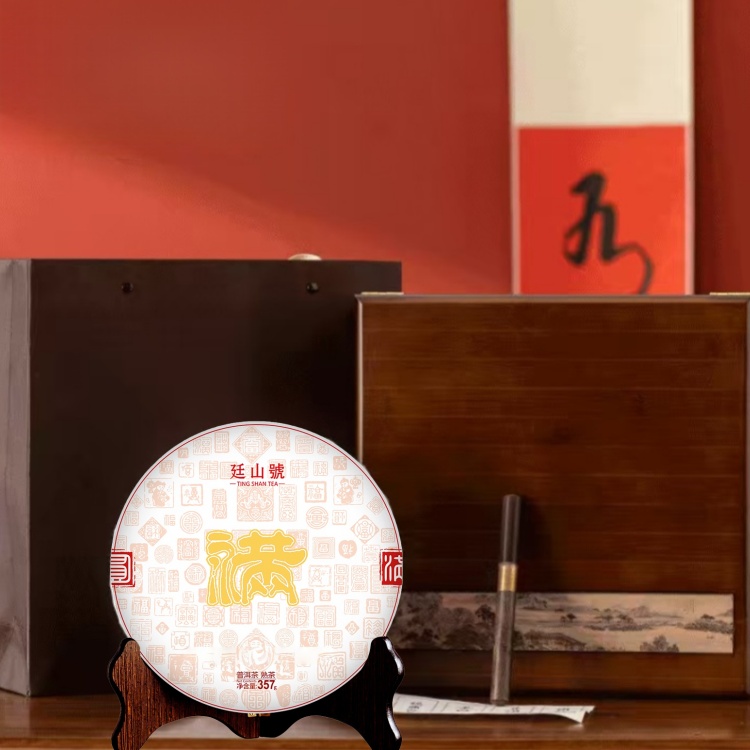
Pu’er tea is mainly divided into raw and ripe types: raw tea is unfermented, with yellow-green soup and fresh taste; ripe tea is fermented by piling, with reddish-brown soup and soft taste. In addition to loose tea, there are also pressed forms such as cake tea, brick tea, and tuo tea, which are convenient for storage and transportation. According to different customer needs, wholesale.prctea.com supplies bulk 357g standard cake tea, 250g brick tea and other specifications. Although raw tea needs long-term aging to highlight its flavor, the characteristic of ripe tea being ready to drink immediately is more popular with American coffee shops—they often use ripe tea to make milk tea, while European customers prefer the freshness of raw tea. This category difference allows the platform’s Pu’er wholesale business to cover a wider market.
Health Value: Health Code of Aged Tea
Pu’er tea is rich in tea polysaccharides, tea polyphenols and probiotics, and the piling process of ripe tea also produces unique lipid-lowering components. European medical research shows that long-term drinking of ripe Pu’er tea can help regulate blood lipids, which is suitable for modern people. The Pu’er tea on wholesale.prctea.com has passed EU pesticide residue testing to ensure health and safety. Although Pu’er is more expensive than ordinary green tea, American health food supermarkets still purchase in large quantities—they list it as a “functional drink”, while European customers value its characteristic of “becoming more fragrant as it ages”, believing that collecting Pu’er is both consumption and investment. This dual value of health and collection promotes the continuous growth of Pu’er wholesale demand.
Wholesale Advantage: Tea Source Guarantee of wholesale.prctea.com
wholesale.prctea.com has exclusive tea areas in Yunnan and cooperates with more than 10 century-old tea factories to ensure the authenticity of Pu’er raw materials. The platform provides a full range of products from the current year’s new tea to 10-year-old aged tea, and can also customize packaging according to customer needs—such as printing tea area traceability QR codes for German customers and designing portable small tuo tea for American customers. Although there are low-cost Pu’er flooding the market, the platform’s direct tea source supply model can control costs while ensuring quality. For example, a Japanese tea wholesaler has purchased 5-year-old ripe Pu’er tea from this platform in bulk for five consecutive years. Its person in charge said that the stable tea source and transparent test report allow them to always maintain competitiveness in the local market.
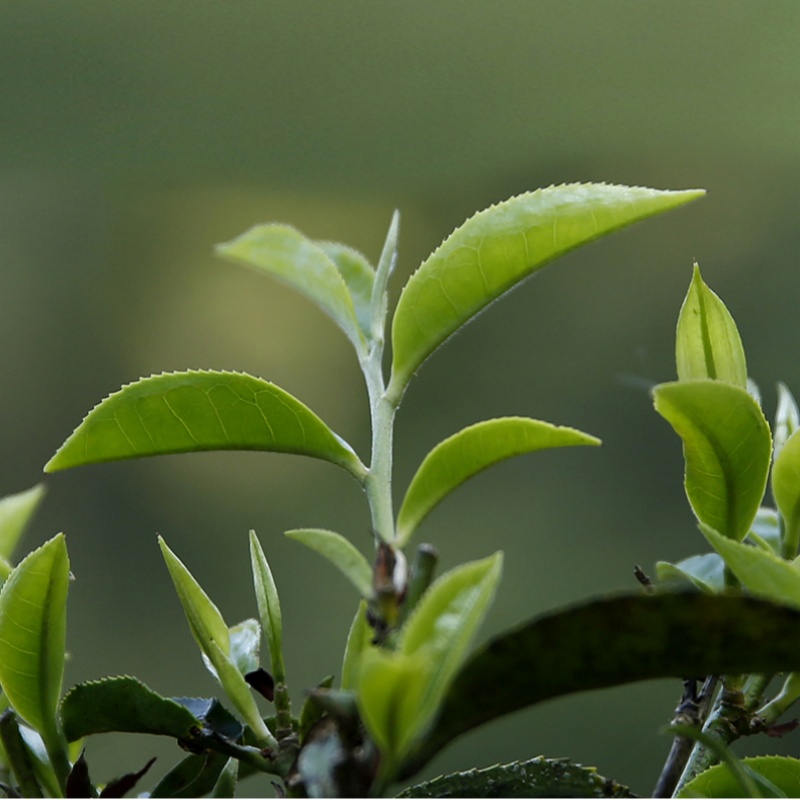
Natural sunlight and rainfall are rich in nutrients, and the moment you taste this tea, a long-missed natural aroma greets you instantly. It boasts a lasting flavor, a lingering aftertaste, and a smooth finish, with an even more refreshing and pleasant fragrance that lingers.
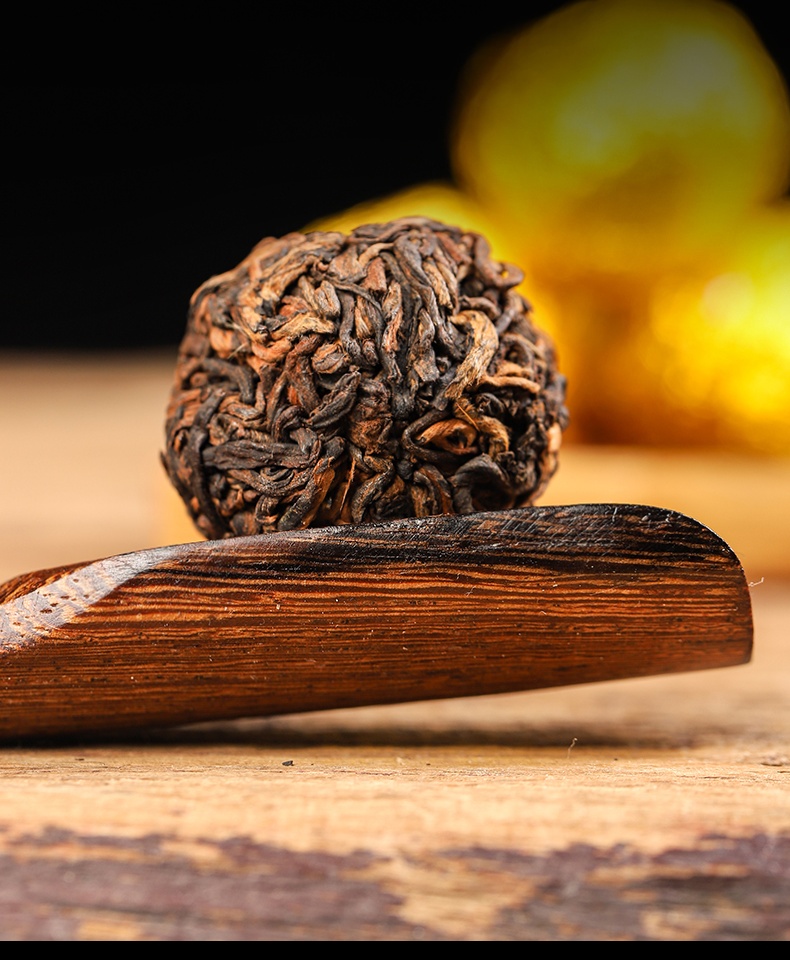
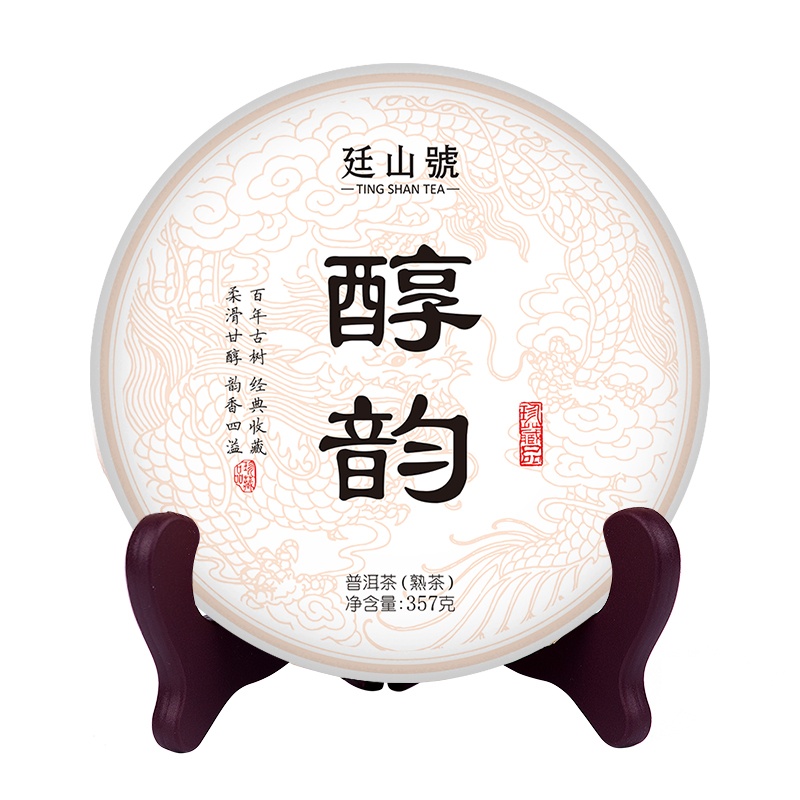
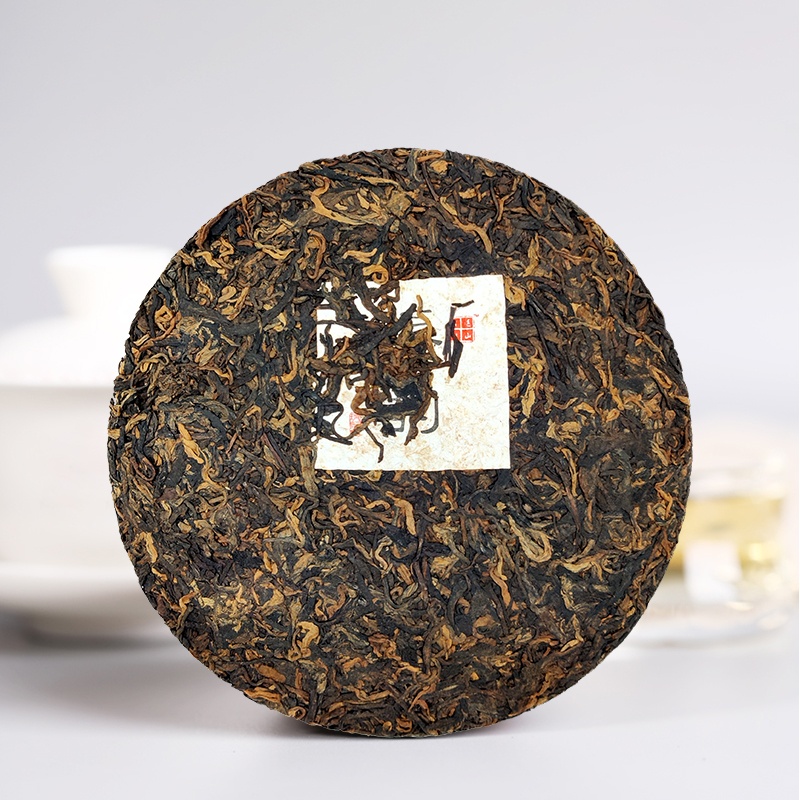
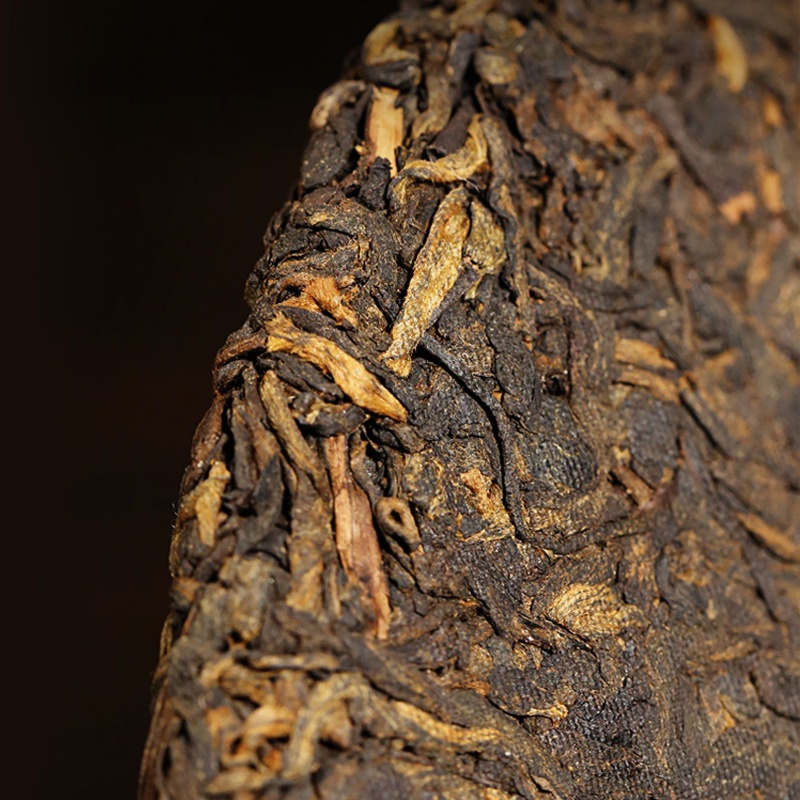
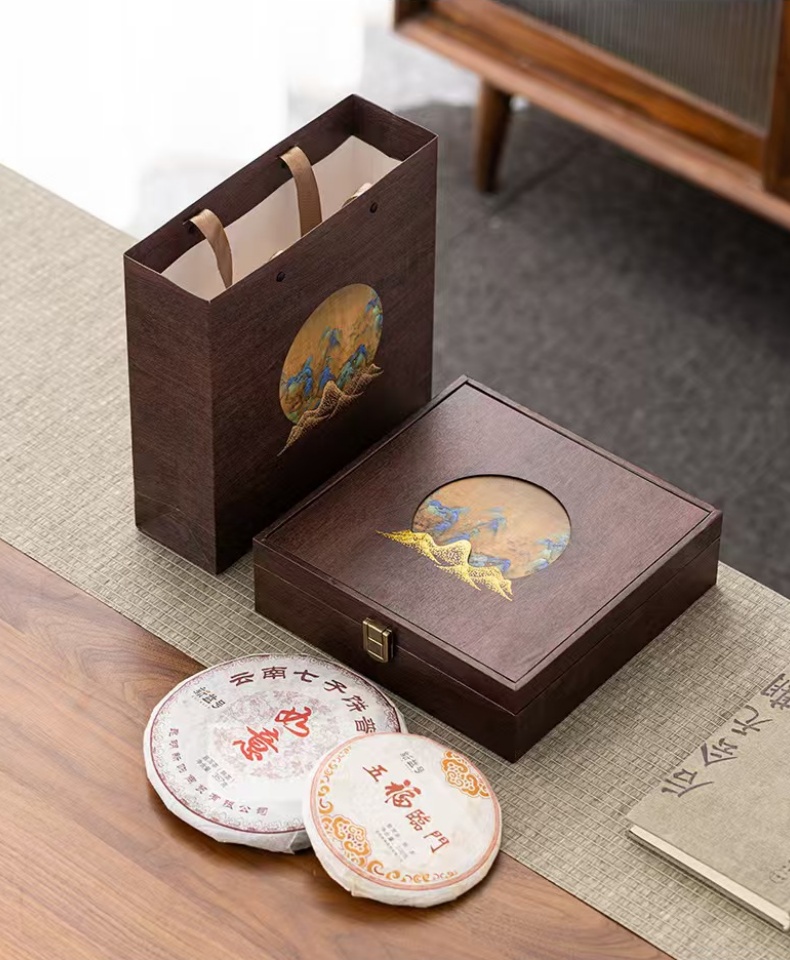
Crafted via stone-grinding pressing, the tea cake is round and plump in shape. Its surface reveals golden buds, each with a thick, full bud head, and the overall color presents a rich brown hue that shimmers with a natural luster.
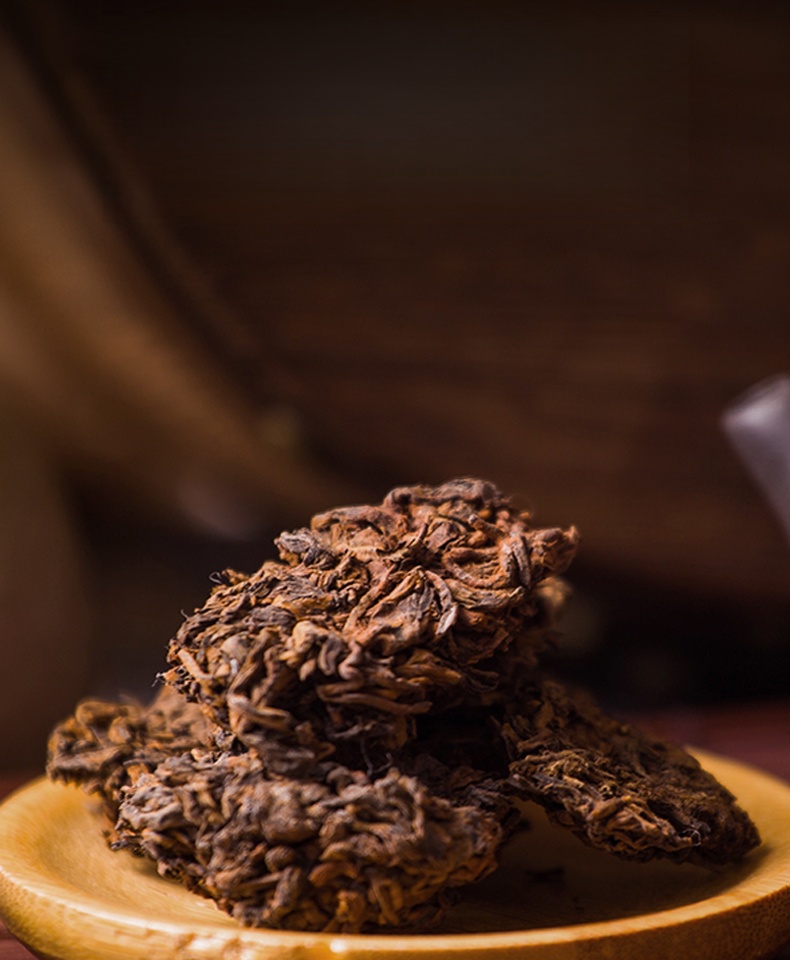
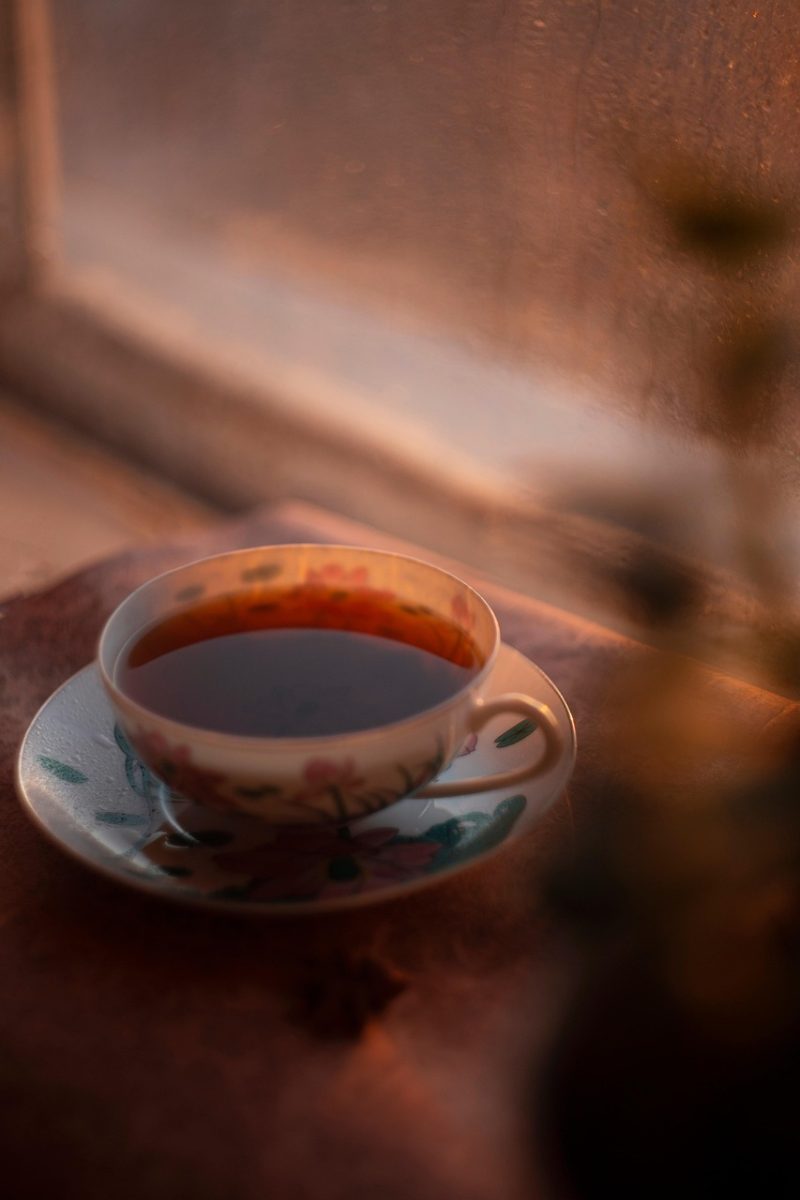
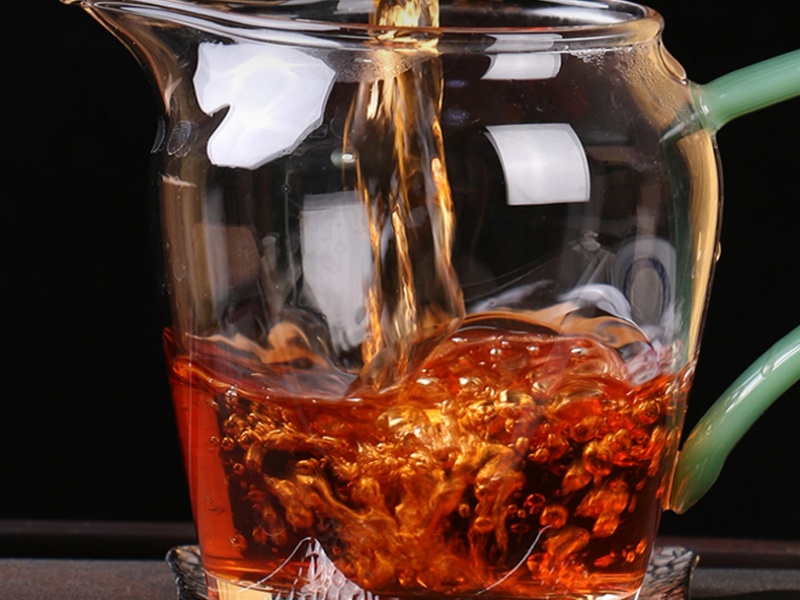
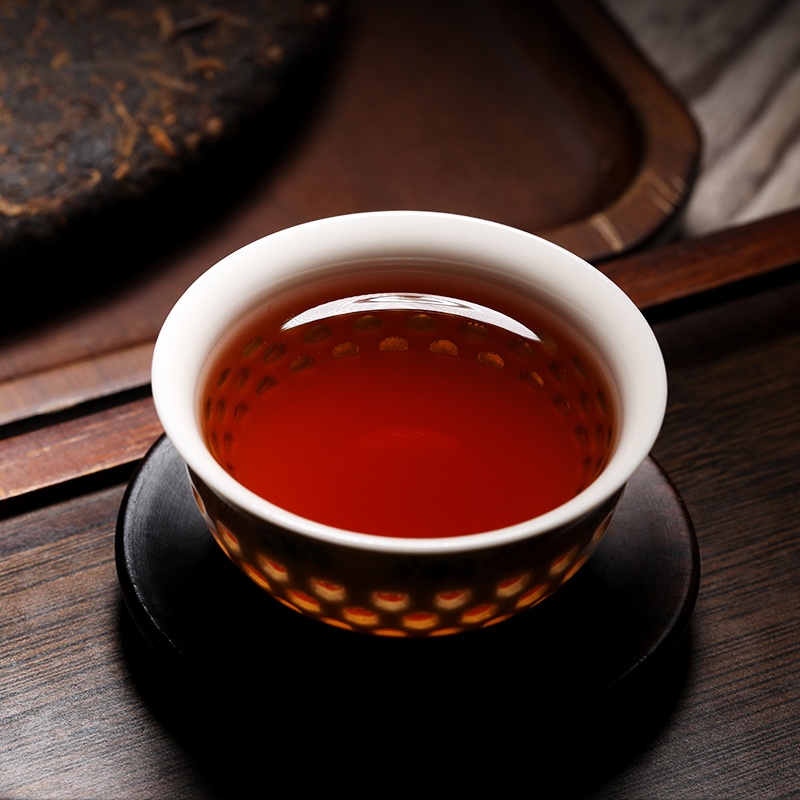
The tea soup presents a bright, clear hue, with a smooth yet rich tea flavor—thick yet delicate, well-balanced overall. It carries a full-bodied tea aroma that lingers, leaving a long-lasting aftertaste that stays on the palate.
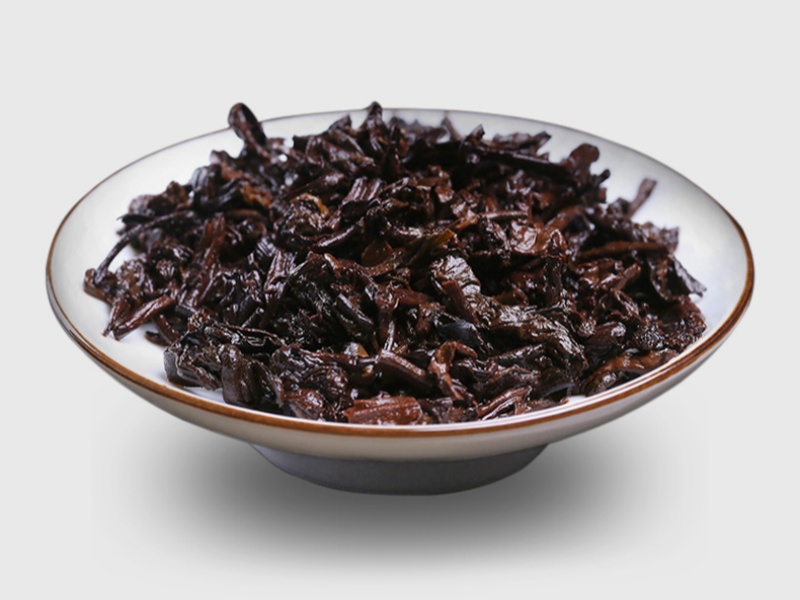
The tea leaves at the base are uniform in appearance, soft, flexible, and plump. They boast strong, long-lasting water absorption, becoming full and substantial when brewed. The soup takes on a light brown shade, accompanied by a unique aged fragrance that feels smooth and mellow. Its flavor is rich and intense, delivering a profound, memorable taste experience.