
At wholesale.prctea.com: Unlocking the Way to Select Chinese Tea and Teaware
2025年9月29日
Why Chinese Tea May Help Reduce High Cholesterol
2025年12月3日
You may wonder if Chinese tea can help you maintain healthy blood pressure. Recent research shows that certain types of Chinese tea offer measurable benefits. You will find the most support for:
- Dark tea, which can lower both systolic and diastolic blood pressure.
- Sweet tea, which shows a significant drop in systolic readings.
- Green tea and scented tea, which also help reduce systolic numbers.
These findings suggest that adding Chinese tea to your routine could support your heart health.
Key Takeaways
# Regularly drinking Chinese tea, like green tea and oolong tea, can help lower blood pressure and support heart health.
# Tea polyphenols and catechins in Chinese tea improve blood vessel function and promote relaxation, which can reduce stress-related blood pressure spikes.
# Choose high-quality loose-leaf teas for better flavor and health benefits, and brew them at the right temperature for optimal results.
# Aim for two to three cups of Chinese tea daily to gain the most benefits, but consult your doctor if you take blood pressure medication.
# Incorporating Chinese tea into your daily routine is a simple and enjoyable way to enhance your overall well-being.
Chinese Tea and Blood Pressure
Types of Chinese Tea
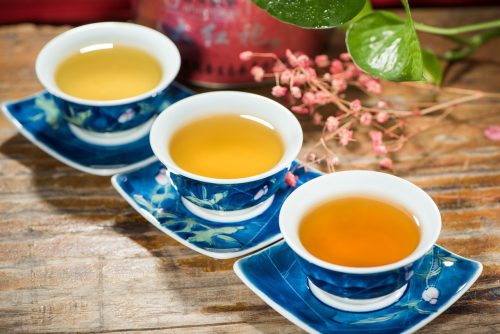
You can choose from several types of Chinese tea to help manage blood pressure. Green tea stands out because it contains high levels of tea polyphenols and catechins. These compounds give green tea strong antioxidant properties. Oolong tea also offers benefits, but its concentration of beneficial compounds is lower than green tea. Pu-erh tea, a fermented variety, supports heart health and may help regulate blood pressure. Herbal blends, such as Immortal Tea and China Rose, combine traditional ingredients like ginseng, jiaogulan, and rose petals. These blends provide extra support for your cardiovascular system.
Tip: Longjing, a famous green tea from China, is rich in antioxidants and can be a flavorful choice for daily consumption.
You may also find Tibetan Tea helpful. This tea contains polyphenols that promote circulation and help manage blood pressure. Each type of Chinese tea offers unique benefits, so you can select the one that fits your taste and health needs.
Main Benefits
Regular consumption of Chinese tea can support your cardiovascular health in several ways:
- The polyphenols, especially catechins, help relax and dilate blood vessels. This improves blood flow and reduces strain on your heart.
- Studies show that drinking green tea regularly can lower both systolic and diastolic blood pressure in people with hypertension.
- Black, green, and oolong tea are linked to a lower risk of developing high blood pressure.
- L-theanine, found in Chinese tea, promotes relaxation and may help reduce stress-related blood pressure spikes.
- Herbal blends like Immortal Tea and China Rose contain ingredients that reduce inflammation and cholesterol, further supporting heart health.
You can integrate Chinese tea into your daily routine by choosing blends that suit your preferences. Drinking a cup of Longjing or oolong tea each morning can become a simple habit. You may notice improvements in your blood pressure and overall well-being over time.
Note: Scientific reviews in respected journals confirm the positive effects of Chinese tea on blood pressure and heart health. You can trust these findings when considering tea as part of your wellness plan.
How Chinese Tea Works
Key Compounds
You benefit from several powerful compounds when you drink Chinese tea. Tea polyphenols, catechins, and flavonoids play a major role in supporting healthy blood pressure. These natural substances act as antioxidants. They help protect your blood vessels from damage caused by free radicals. Catechins, found in high amounts in green tea and Longjing, also have anti-inflammatory effects. Flavonoids support your heart by improving blood flow and reducing the risk of blood clots.
Research shows that these compounds do more than just fight oxidation. They may enhance coronary flow velocity reserve, which means your heart receives more oxygen-rich blood. This effect helps regulate blood pressure and supports overall cardiovascular health. However, you should know that caffeine in tea can cause a temporary rise in blood pressure. Most people do not experience long-term negative effects, but it is wise to monitor your response if you are sensitive to caffeine.
Tip: If you want to maximize the benefits, choose green tea or oolong tea. These types contain higher levels of tea polyphenols and catechins.
Effects on Blood Vessels
Chinese tea helps your blood vessels relax and function better. The polyphenols and flavonoids in tea encourage your arteries to widen. This process, called vasodilation, lowers resistance in your blood vessels. As a result, your heart does not have to work as hard to pump blood. You may notice that your blood pressure readings improve over time.
L-theanine, another compound in tea, promotes relaxation. It can help reduce stress, which often leads to spikes in blood pressure. Drinking a cup of Chinese tea, such as Longjing or oolong tea, can become a calming daily ritual. You support your heart and mind at the same time.
Scientific Evidence
Scientists have studied the effects of regular tea consumption on heart health and blood pressure. Many studies show that people who drink Chinese tea regularly have better cardiovascular outcomes. The table below highlights results from a peer-reviewed study comparing people who drank herbal tea with those who did not:
| Outcome | Herbal Tea Group | Control Group | p-value |
| New-onset CVD events | 9.0% | 13.3% | < 0.001 |
| All-cause mortality | 5.1% | 8.8% | < 0.001 |
| Cardiovascular mortality | 1.4% | 2.5% | 0.01 |
You can see that the group who drank herbal tea had fewer new cases of cardiovascular disease, lower overall death rates, and less cardiovascular mortality. These results suggest that adding Chinese tea to your daily routine may help protect your heart and support healthy blood pressure.
Note: While Chinese tea offers many benefits, you should always consult your healthcare provider before making changes to your diet or health routine.
Using Chinese Tea Safely
Choosing Your Tea
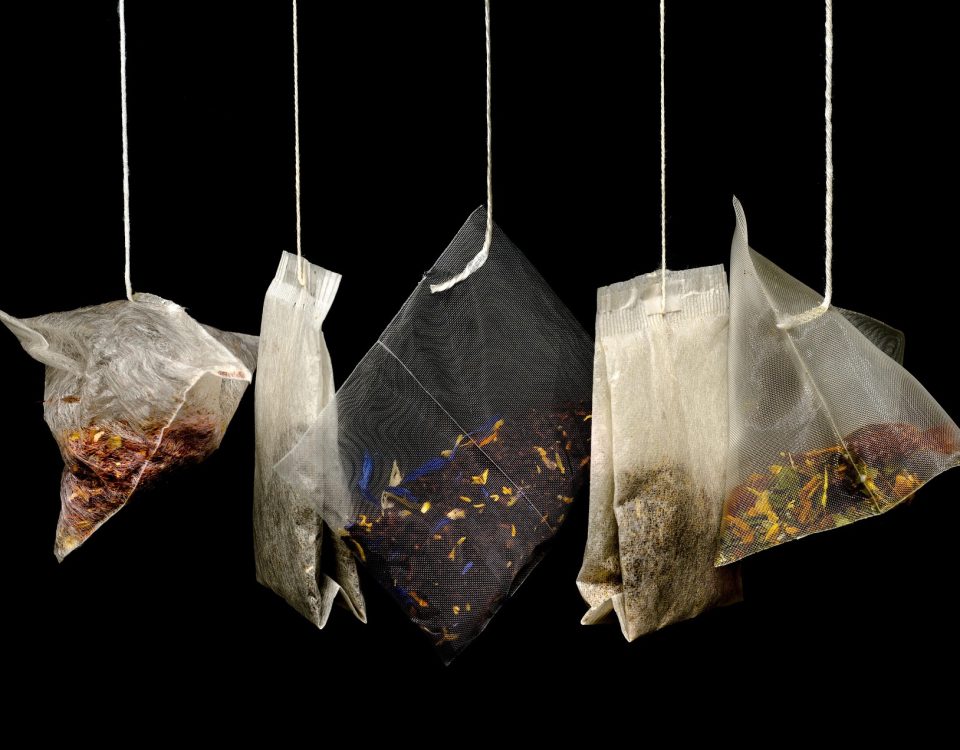
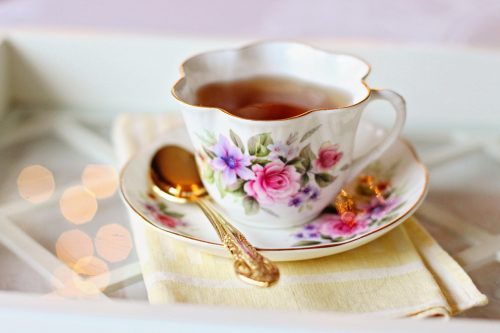
You want to select the best Chinese tea for blood pressure management. Green tea offers high levels of tea polyphenols, which support heart health. Oolong tea provides a smooth taste and moderate benefits. Longjing, a famous green tea, contains powerful antioxidants. You may prefer herbal blends if you want caffeine-free options. Always check the label for quality and authenticity. Loose-leaf teas often deliver better flavor and more health benefits than tea bags.
Tip: Choose teas from reputable sources to ensure you get genuine Chinese tea with high levels of beneficial compounds.
Brewing Tips
You can maximize the benefits of Chinese tea by brewing it correctly. Use fresh, filtered water and avoid boiling the leaves. Steep green tea and Longjing at lower temperatures, around 175°F (80°C), for two to three minutes. Oolong tea tastes best when steeped at 185°F (85°C) for three to five minutes. Herbal blends may require longer steeping times. Adjust the amount of tea and steeping time to suit your taste.
| Tea Type | Water Temp | Steep Time |
| Green Tea | 175°F | 2-3 min |
| Longjing | 175°F | 2-3 min |
| Oolong Tea | 185°F | 3-5 min |
| Herbal Blend | 200°F | 5+ min |
Note: Over-steeping can make tea bitter and reduce enjoyment. Start with shorter times and increase as needed.
Safety and Consultation
You should enjoy Chinese tea in moderation. Most experts recommend two to three cups per day for blood pressure support. Drinking too much tea may cause side effects, especially if you are sensitive to caffeine. If you take medication for blood pressure, consult your healthcare provider before adding new teas to your routine. Some teas may interact with medicines or affect absorption.
- Monitor your blood pressure regularly.
- Avoid adding sugar or high-fat milk to your tea.
- Listen to your body and adjust your intake if you notice side effects.
- Always talk to your doctor before making changes to your diet, especially if you have health concerns or take prescription medication.
- You learned how Chinese tea, including oolong tea, green tea, and Longjing, can help you manage blood pressure.
- Tea polyphenols support your heart and keep your blood vessels healthy.
- You should choose quality tea and brew it safely.
- Always talk to your doctor before changing your routine.
Drinking Chinese tea gives you a simple way to support your health every day.
Sources Referenced:
- Journal of Hypertension
- American Heart Association
- Nutrition Reviews
- Clinical Nutrition Journal
FAQ
Can drinking Chinese tea lower my blood pressure?
You may see a reduction in blood pressure when you drink Chinese tea regularly. Studies show that tea polyphenols in green tea, oolong tea, and Longjing help relax blood vessels and support heart health.
How much Chinese tea should I drink each day?
Most experts suggest you drink two to three cups daily. This amount gives you enough tea polyphenols to support healthy blood pressure without causing side effects.
Is green tea better than oolong tea for blood pressure?
Green tea contains higher levels of tea polyphenols than oolong tea. You may get stronger blood pressure benefits from green tea or Longjing. Oolong tea still supports heart health, so you can choose based on your taste.
Can I drink Chinese tea if I take blood pressure medication?
You should talk to your doctor before adding Chinese tea to your routine. Some teas may interact with medications. Always monitor your blood pressure and report any changes to your healthcare provider.