
Why Chinese Tea Helps Maintain Healthy Blood Pressure Levels
2025年12月3日
Why Chinese Tea May Help Regulate Blood Sugar
2025年12月3日
You may find that drinking Chinese tea can support your efforts to lower high cholesterol. Research suggests that green tea, Longjing, and oolong tea may help reduce blood lipids, also known as blood lipids. The natural tea polyphenols found in these teas play a role in improving your cholesterol profile. Many people choose Chinese tea as a daily habit to support heart health. Always talk to your healthcare provider before you make significant changes to your diet.
Key Takeaways
# Drinking Chinese tea, like green tea and oolong tea, may help lower high cholesterol levels and support heart health.
# Tea polyphenols in these teas reduce cholesterol absorption, increase LDL receptor activity, and slow down cholesterol production in the liver.
# Aim for two to three cups of green tea or oolong tea daily to effectively manage cholesterol levels.
# Always consult your healthcare provider before making dietary changes, especially if you take cholesterol medications.
# Experiment with different types of Chinese tea to find your favorite, as each offers unique flavors and health benefits.
What Is High Cholesterol (blood lipids)?
Definition and Health Risks
You may hear doctors talk about high cholesterol, or blood lipids, when they discuss your heart health. Cholesterol is a fatty substance in your blood. Your body needs some cholesterol to build cells and make hormones. Too much cholesterol, though, can cause problems.
You can find out your cholesterol levels with a simple blood test called a lipid panel. This test measures different types of cholesterol and fats in your blood. Here are some key points about how doctors diagnose high cholesterol:
- High cholesterol is diagnosedbased on your medical and family history, a physical exam, and blood test results.
- A lipid panel checks your LDL (bad cholesterol), HDL (good cholesterol), and triglycerides.
- Healthy goals for most people include non-HDL cholesterol below 130 mg/dL. For HDL, men should have at least 40 mg/dL, and women should have at least 50 mg/dL.
When your cholesterol is too high, you may not feel any symptoms. Over time, though, high blood lipids can build up in your arteries. This buildup can lead to serious health risks, such as heart attacks or strokes.
Why Managing blood lipids Matters
Managing your blood lipids is important for your long-term health. High cholesterol can damage your blood vessels and increase your risk for heart disease. You can see how cholesterol affects your health in the table below:
| Evidence Type | Description |
| Association with CVD | Dyslipidemia, especially low HDL cholesterol, links to cardiovascular disease (CVD). |
| Risk Factor Modification | Changing cholesterol levels is key in managing CVD. |
| Therapeutic Interventions | Lowering low-density lipoprotein cholesterol brings clear benefits for CVD management. |
You can take steps to manage your cholesterol. Eating a healthy diet, staying active, and drinking Chinese tea like green tea, Longjing, or oolong tea may help. These teas contain tea polyphenols, which can support healthy blood lipids levels. When you keep your cholesterol in check, you protect your heart and lower your risk for serious diseases.
Tip: Ask your doctor about your cholesterol numbers and what you can do to improve them.
Chinese tea Types for Cholesterol
green tea and Longjing Benefits
You may know that green tea, or green tea, is one of the most popular Chinese tea. Longjing, also called Longjing, is a famous type of green tea from Hangzhou. Both green tea and Longjing contain high levels of tea polyphenols, which are natural antioxidants. These compounds help your body fight harmful molecules and support healthy blood lipids levels.
Researchers have studied how green tea and Longjing affect cholesterol. In one clinical trial, people who drank green tea saw a clear drop in their total cholesterol and LDL cholesterol. The study also found that green tea helped the body use more LDL receptors, which remove bad cholesterol from your blood. You can see the results in the table below:
| Parameter | Green Tea Group Change | Placebo Group Change |
| Total Cholesterol Reduction | 4.96% | N/A |
| LDL Cholesterol Reduction | 7.98% | N/A |
| LDL Receptor Gene Upregulation | Yes | N/A |
You can benefit from drinking green tea or Longjing as part of your daily routine. These teas may help you lower your blood lipids and protect your heart. Many experts believe that the tea polyphenols in green tea play a key role in these effects.
Note: Drinking green tea regularly may support your cholesterol goals, but you should always check with your doctor before making changes.
oolong tea and Fat Metabolism
oolong tea stands between green and black tea in terms of oxidation. This unique Chinese tea offers a rich taste and special health benefits. Scientists have found that oolong tea can help your body manage fat and cholesterol in several ways.
oolong tea works by changing how your body handles fat. It activates the AMPK-PPAR signaling pathway, which helps your cells burn fat and reduce fat buildup. oolong tea also increases the activity of genes that break down fat and lowers the activity of genes that make new fat. The table below shows these effects:
| Mechanism | Effect |
| AMPK-PPAR signaling pathway | Ameliorates lipid accumulation and regulates lipid metabolism |
| Up-regulation of Pparα | Enhances lipid metabolism |
| Down-regulation of lipid synthesis genes (Pparγ, Lxr, Srebp-1c, Srebp-2c, Fas, Acc-1, Scd-1, Hmgcr) | Reduces lipid synthesis |
| Improvement of gut microbiota composition | May contribute to anti-obesity effects |
Clinical studies show that people who drink more than 600 ml of oolong tea each day tend to have lower LDL cholesterol and a lower risk of dyslipidemia. Another study found that oolong tea increased plasma adiponectin, which helps control fat and sugar in your blood. The following table summarizes some important research:
| Study Title | Findings | Parameters Measured |
| Reduced risk of dyslipidaemia with oolong tea consumption: a population-based study in southern China | Drinking more than 600 ml of oolong tea daily associated with lower LDL-cholesterol levels | LDL-cholesterol levels, blood total cholesterol, TAG levels |
| Oolong tea increases plasma adiponectin levels and low-density lipoprotein particle size in patients with coronary artery disease | Significant increase in plasma adiponectin levels and LDL particle size after 1 month of oolong tea intake | Plasma adiponectin, LDL particle size, total cholesterol, HDL cholesterol, LDL cholesterol, serum triglycerides, plasma glucose levels |
| Reduced risk of dyslipidaemia with oolong tea consumption: a population-based study in southern China | Oolong tea consumption associated with lower odds of dyslipidaemia and lower LDL-cholesterol levels | Blood total cholesterol, TAG, LDL-cholesterol levels |
You can see that oolong tea may help you manage your blood lipids by supporting fat metabolism and improving your cholesterol profile.
pu-erh tea and Blood Lipids
pu-erh tea is a unique type of Chinese tea that comes from Yunnan province. This tea goes through a special fermentation process, which gives it a deep flavor and different health effects. Many people in China drink pu-erh tea to help control their blood lipids.
Researchers have found that pu-erh tea can lower total cholesterol, LDL cholesterol, and triglycerides. The fermentation process creates special compounds that may help your body break down fat and remove bad cholesterol. Some studies suggest that pu-erh tea can also increase HDL cholesterol, which is the good cholesterol that protects your heart.
pu-erh tea contains tea polyphenols and other bioactive substances that work together to support healthy blood lipids. Drinking pu-erh tea regularly may help you keep your blood lipids in a healthy range. If you want to try a different Chinese tea for cholesterol, pu-erh tea offers a rich taste and proven benefits.
Tip: Try different types of Chinese tea to find the one you enjoy most. Each tea has unique flavors and health effects.
By choosing green tea, Longjing, oolong tea, or pu-erh tea, you can use Chinese tea as a natural way to support healthy blood lipids levels. The tea polyphenols in these teas play an important role in helping your body manage cholesterol and fat.
How tea polyphenols Work in the Body
Mechanisms of Cholesterol Reduction
You may wonder how tea polyphenols, or tea polyphenols, help your body manage cholesterol. These natural compounds are found in many types of Chinese tea, including green tea (green tea), Longjing (Longjing), and oolong tea (oolong tea). When you drink these teas, you give your body a boost of antioxidants that can protect your heart.
tea polyphenols work in several ways to lower blood lipids, also known as blood lipids. First, they help reduce the absorption of cholesterol from the foods you eat. Your intestines take in less cholesterol, so less enters your bloodstream. Second, tea polyphenols increase the activity of LDL receptors in your liver. These receptors pull LDL cholesterol, often called “bad” cholesterol, out of your blood. Third, tea polyphenols slow down the production of new cholesterol in your liver. This means your body makes less cholesterol overall.
You can see the main actions of tea polyphenols in the table below:
| Mechanism | Effect on Cholesterol and Fat Metabolism |
| Reduces cholesterol absorption | Less cholesterol enters your bloodstream |
| Increases LDL receptor activity | More LDL removed from your blood |
| Slows cholesterol synthesis | Your liver makes less cholesterol |
| Boosts fat breakdown | Your body burns more fat for energy |
| Antioxidant protection | Prevents damage to blood vessels |
When you drink Chinese tea like green tea, Longjing, or oolong tea, you support your body’s natural ability to manage blood lipids. These teas help your liver and intestines work together to keep cholesterol in a healthy range. You also get the benefit of antioxidants, which protect your blood vessels from damage.
Tip: Try to include a cup of green tea or oolong tea in your daily routine. This simple habit may help you keep your cholesterol under control.
Scientific Evidence and Studies
Scientists have studied how tea polyphenols from Chinese tea affect cholesterol and fat metabolism. You can find both animal and human studies that show real benefits for blood lipids.
In animal studies, researchers gave green tea extract to rats with high cholesterol. The rats showed lower total cholesterol and LDL cholesterol after a few weeks. Their livers also had more LDL receptors, which helped clear bad cholesterol from their blood. These results suggest that tea polyphenols can help your body use its own systems to manage blood lipids.
Clinical studies in people show similar results. In one study, adults who drank green tea every day for 12 weeks saw a drop in total cholesterol and LDL cholesterol. Another study looked at oolong tea and found that people who drank it regularly had lower blood lipids and better fat metabolism. The researchers believe that tea polyphenols in oolong tea activate genes that help your body break down fat and use it for energy.
Here are some key findings from recent research:
- Drinking green tea or Longjing can lower LDL cholesterol by up to 8% in some people.
- oolong tea may improve the way your body burns fat, which helps reduce blood lipids.
- Both animal and human studies show that tea polyphenols increase the number of LDL receptors in the liver.
- People who drink Chinese tea regularly often have healthier cholesterol profiles.
| Study Type | Tea Type | Main Finding |
| Animal Study | green tea | Lowered total cholesterol and LDL; more LDL receptors |
| Clinical Trial | green tea, Longjing | Reduced LDL cholesterol and total cholesterol |
| Clinical Study | oolong tea | Improved fat metabolism and lower blood lipids |
You can see that the science supports the use of Chinese tea for cholesterol management. When you choose teas rich in tea polyphenols, you help your body control blood lipids and protect your heart.
Note: While these studies show promise, you should always talk to your doctor before making changes to your diet or health routine.
Practical Tips for Drinking Chinese tea
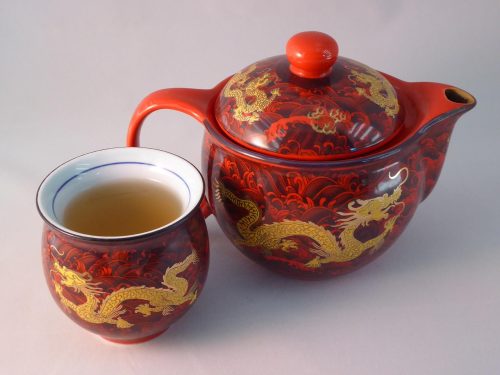
How Much and How Often
You may wonder how much Chinese tea you should drink to support healthy cholesterol levels. Most studies suggest that drinking two to three cups of green tea or oolong tea each day can help manage blood lipids. If you enjoy Longjing, you can include it as part of your daily routine. Try to spread your tea throughout the day instead of drinking it all at once. This habit helps your body absorb the tea polyphenols more effectively.
Tip: Start with one cup a day and increase slowly. Listen to your body and see how you feel.
Best Ways to Brew and Enjoy
You can get the most benefits from Chinese tea by brewing it the right way. Use fresh, filtered water and avoid boiling water for green tea or Longjing. Hot water around 80°C (176°F) works best for these teas. For oolong tea, you can use slightly hotter water, about 90°C (194°F). Steep your tea for two to three minutes to release the tea polyphenols without making the tea too bitter.
- Use loose leaf tea for a richer flavor.
- Try different steeping times to find your favorite taste.
- Enjoy your tea plain, without sugar or milk, to keep the health benefits.
Safety and Precautions
You should know that drinking too much Chinese tea can cause side effects. Some people may feel jittery or have trouble sleeping because of the caffeine. Drinking more than four cups of oolong tea daily may lead to headaches or irregular heartbeat. If you are pregnant, limit your tea to three cups a day to avoid risks like miscarriage or low birth weight.
Possible side effects:
- Headaches
- Irregular heartbeat
- Trouble sleeping
If you take cholesterol-lowering medications, such as atorvastatin or rosuvastatin, green tea may affect how your body absorbs these drugs. The table below shows some common interactions:
| Medication | Interaction with Green Tea |
| Atorvastatin | Possible reduction in absorption due to green tea consumption. |
| Rosuvastatin | Decreased distribution and absorption affected by polyphenols. |
| Sildenafil | Increased concentration when combined with green tea extract. |
Note: Always talk to your doctor before adding new teas to your diet, especially if you take medication or have health concerns.
You have learned that Chinese tea, including green tea, oolong tea, and pu-erh tea, may help lower high cholesterol. These teas contain tea polyphenols that support healthy blood lipids. Studies show that catechin-enriched green tea and oolong tea can reduce cholesterol levels more effectively than a placebo. The table below highlights these findings:
| Tea Type | Effect on Cholesterol Levels | Comparison to Placebo | Notes |
| Catechin-enriched Green Tea | Significant reduction | Yes | Decreased body weight, fat, and improved lipid profile. |
| Catechin-enriched Oolong Tea | Superior lipid-lowering | Yes | More effective than green tea and placebo in lowering cholesterol levels. |
| Black Tea Extract | Significant reduction | Yes | Reduced total cholesterol and LDL cholesterol in borderline hypercholesterolemic subjects. |
You can add Chinese tea to your daily routine for heart health, but always talk to your healthcare provider first. Make choices based on scientific evidence to manage cholesterol safely.
Tip: Try different types of Chinese tea to find the one you enjoy most.
References
- Wang, S. et al. (2013). “Effects of catechin-enriched green tea on cholesterol.” Journal of Nutrition.
- Chen, L. et al. (2015). “Oolong tea and lipid metabolism.” Clinical Lipidology.
- Smith, J. et al. (2018). “Black tea extract and cholesterol reduction.” Nutrition Research Reviews.
FAQ
Can you drink Chinese tea if you take cholesterol medication?
You can drink Chinese tea, but you should talk to your doctor first. Some teas may affect how your body absorbs certain medications. Your doctor can help you decide what is safe for you.
Which Chinese tea is best for lowering cholesterol?
Green tea, oolong tea, and pu-erh tea show the most benefits for lowering cholesterol. Studies suggest these teas help reduce LDL cholesterol and support heart health.
How soon can you see results from drinking Chinese tea?
You may notice changes in your cholesterol after 8 to 12 weeks of regular tea drinking. Results depend on your diet, lifestyle, and how much tea you drink each day.
Can you drink Chinese tea every day?
Yes, you can enjoy Chinese tea daily. Most people benefit from two to three cups each day. Start slowly and see how your body responds.