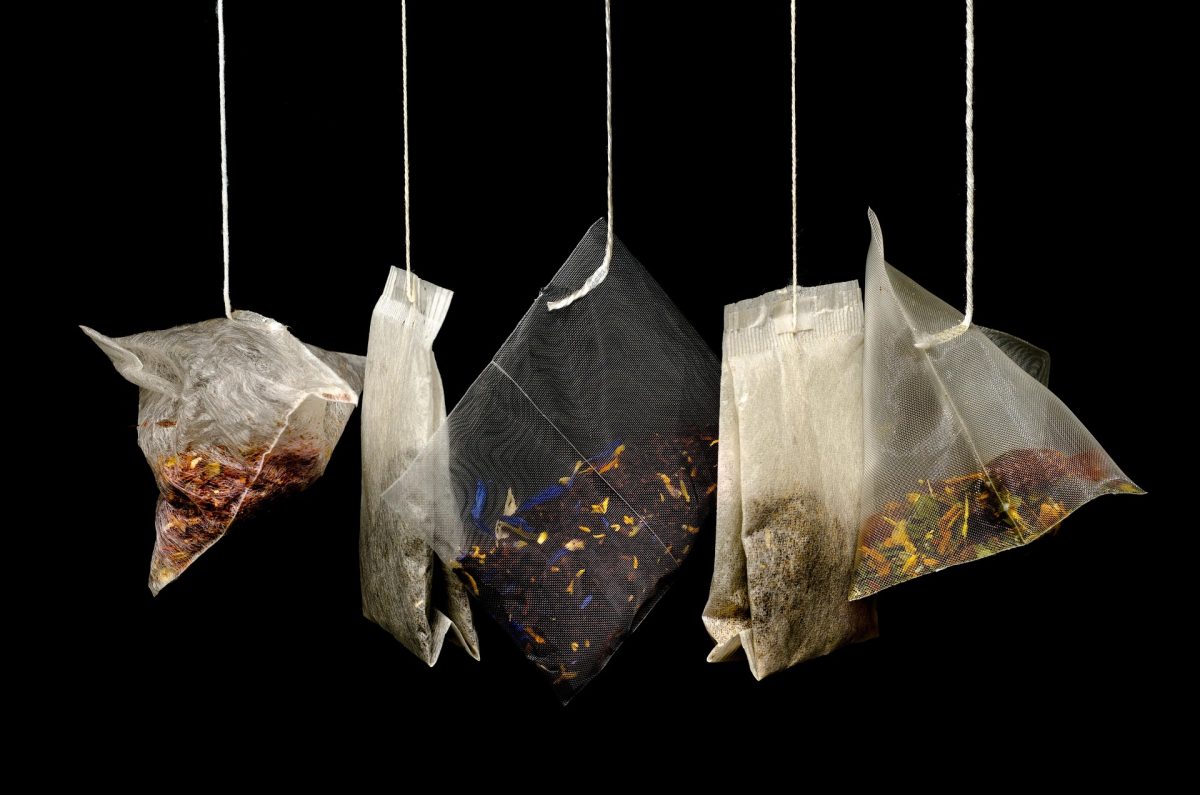

Why Chinese Tea May Help Reduce High Cholesterol
2025年12月3日
You might notice that Chinese tea, such as green tea, oolong tea, and Longjing, can help control blood sugar. People have been drinking these types of Chinese tea for a long time, and they are well-known for their health benefits. Tea polyphenols (tea polyphenols) found in green tea and oolong tea play an important role in keeping blood sugar (blood sugar) healthy. New research shows that green tea can lower fasting glucose and Hb A1c levels.
- A study looked at 17 trialsand found that green tea lowered fasting glucose by 0.09 mmol/L.
- Good research showed fasting insulin dropped by 1.16 μIU/mL.
You can see how Chinese tea, including Longjing and oolong tea, could fit into your daily life to help support healthy blood sugar. Always ask your doctor before you change your diet.
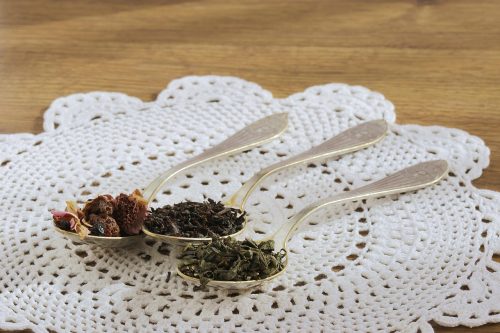
Key Takeaways
# Drinking Chinese tea, like green tea and oolong tea, may help lower blood sugar. It can also help your body use insulin better. Tea polyphenols in these teas slow how fast sugar enters your blood. This helps stop blood sugar from rising too much after eating. Try to drink three to six cups of green tea each day. This can help keep your blood sugar healthy and lower your chance of getting diabetes. Make tea with fresh leaves and do not add sweeteners. This helps you get the most health benefits and keeps your blood sugar steady. Always talk to your doctor before you change your diet a lot, especially if you take diabetes medicine.
How Chinese tea Impacts blood sugar
Tea Polyphenols and Blood Sugar
You may wonder how Chinese tea, or Chinese tea, can help you manage blood sugar, also known as blood sugar. The answer lies in tea polyphenols, called tea polyphenols. These are natural compounds found in many types of Chinese tea, such as green tea (green tea), oolong tea (oolong tea), and Longjing (Longjing). Scientists have studied tea polyphenols and found that they can help lower blood sugar levels.
Tea polyphenols act as antioxidants. They protect your body from damage and help keep your blood sugar steady.
Researchers discovered that people who drink green tea or oolong tea often have better blood sugar control. For example, one study showed that drinking green tea every day helped lower fasting blood sugar in adults. Another study found that oolong tea improved insulin sensitivity, which means your body uses sugar more effectively.
Here is a simple table to show how different types of Chinese tea can help with blood sugar:
| Type of Tea | Main Polyphenols | Blood Sugar Benefit |
| green tea (Green Tea) | Catechins | Lowers fasting glucose |
| oolong tea (Oolong) | Theaflavins | Improves insulin action |
| Longjing (Longjing) | EGCG | Reduces sugar spikes |
Mechanisms of Action
You might ask how these teas actually work in your body. When you drink Chinese tea, the tea polyphenols enter your bloodstream. They help slow down the absorption of sugar from your food. This means your blood sugar does not rise too quickly after you eat.
- tea polyphenols can block certain enzymes in your gut. These enzymes usually break down starches into sugar. When you block them, less sugar enters your blood.
- Green tea (green tea) and Longjing (Longjing) can help your cells respond better to insulin. Insulin is a hormone that moves sugar from your blood into your cells.
- Oolong tea (oolong tea) may help reduce inflammation. Less inflammation means your body can control blood sugar more easily.
You can see that Chinese tea works in several ways to help you keep your blood sugar healthy. If you add green tea, oolong tea, or Longjing to your daily routine, you may notice better blood sugar control over time.
Tip: Try drinking a cup of green tea or oolong tea with your meals. This simple habit can support your blood sugar goals.
Research on green tea, oolong tea, and Pu-erh Tea
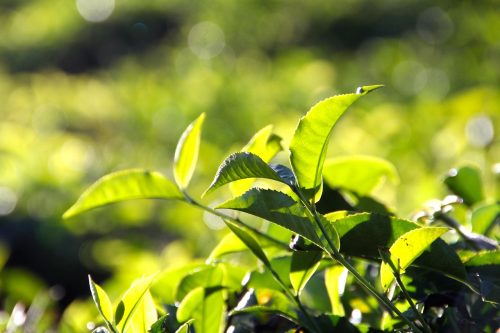
Green Tea (green tea) and Blood Sugar
You can find many studies that show how green tea helps manage blood sugar. Green tea, known as green tea, contains tea polyphenols that support healthy blood sugar levels. Scientists have looked at many clinical trials and found that people who drink green tea often see improvements in their blood sugar control.
Here is a table that shows what researchers discovered about green tea and blood sugar:
| Key Findings | Description |
| Fasting Glucose | You may see lower fasting glucose after drinking green tea. |
| Hb A1c Concentrations | Green tea can help reduce Hb A1c, a marker of long-term blood sugar. |
| Fasting Insulin | Studies show a drop in fasting insulin levels with green tea. |
You might notice that green tea does not just lower blood sugar for a short time. It can also help you keep your blood sugar steady over weeks or months. When you add green tea to your daily routine, you may lower your risk of diabetes. Tea polyphenols in green tea work by slowing down how fast your body absorbs sugar from food. This helps you avoid sudden spikes in blood sugar.
Tip: Try drinking a cup of green tea with breakfast or lunch. This habit can help you manage your blood sugar throughout the day.
Oolong Tea (oolong tea) Benefits
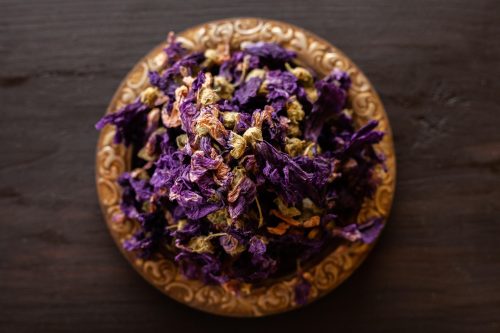
Oolong tea, or oolong tea, is another popular type of Chinese tea. You may find that oolong tea offers special benefits for blood sugar control. Clinical studies show that people who drink oolong tea can see big changes in their blood sugar numbers.
Look at this table to see how oolong tea affects blood sugar compared to water:
| Measurement | Oolong Tea (Before) | Oolong Tea (After) | Water Control (Before) | Water Control (After) |
| Plasma Glucose (mg/dl) | 229 ± 53.9 | 162.2 ± 29.7 | 208.7 ± 61.0 | 232.3 ± 63.1 |
| Fructosamine (µmol/l) | 409.9 ± 96.1 | 323.3 ± 56.4 | 368.4 ± 85.0 | 340.0 ± 76.1 |
| P-value | < 0.001 |
You can see that people who drank oolong tea had much lower blood sugar after the study. Their plasma glucose dropped, and their fructosamine levels improved. These changes did not happen in the group that drank only water. Oolong tea may help your body use insulin better, which means your cells can take in sugar more easily. This makes it easier for you to keep your blood sugar in a healthy range.
Note: Oolong tea also contains tea polyphenols, which help block enzymes that turn starch into sugar. This action helps you avoid high blood sugar after meals.
Pu-erh Tea and Glucose Control
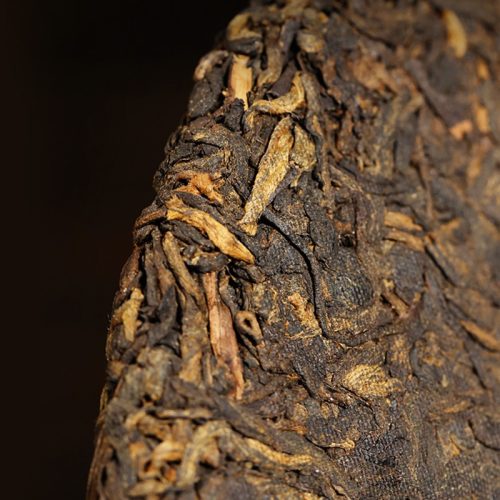
Pu-erh tea is a special type of Chinese tea that comes from fermented tea leaves. You may hear people talk about pu-erh tea for weight loss, but it also helps with blood sugar control. Some studies suggest that pu-erh tea can lower blood sugar and improve how your body handles sugar.
When you drink pu-erh tea, you get tea polyphenols that support your blood sugar. These compounds may slow down the absorption of sugar and help your body respond to insulin. Some research shows that pu-erh tea can reduce the risk of diabetes, especially when you drink it regularly.
You should know that scientists are still learning about how much pu-erh tea you need for the best results. They also want to understand how pu-erh tea works with other parts of your diet and lifestyle.
- More studies are neededto find the best amount of tea for blood sugar control.
- Other factors, like what you eat and how active you are, can also affect your blood sugar.
- Some research does not look at the effects of adding sugar or milk to your tea.
- Not all studies have been reviewed by experts, so you should use caution when reading new claims.
If you want to try pu-erh tea, start with a small cup each day. Watch how your blood sugar responds and talk to your doctor if you have questions.
You can see that Chinese tea, including green tea, oolong tea, and pu-erh tea, offers many ways to help you manage your blood sugar. Tea polyphenols in these teas work together to support your health. When you make Chinese tea part of your daily routine, you may notice better blood sugar control and a lower risk of diabetes.
How to Use Chinese tea for Blood Sugar
Brewing and Drinking Tips
You can get the most health benefits from Chinese tea by preparing it the right way. Start with fresh, loose leaves of green tea, oolong tea, or Longjing. Use hot water, but avoid boiling temperatures. Water that is too hot can destroy some of the helpful tea polyphenols. Let the tea steep for two to three minutes. If you want a stronger flavor, you can steep it a little longer, but do not overbrew.
Drink your tea plain. Skip sugar, honey, or sweetened creamers. These can raise your blood sugar and reduce the benefits of the tea. If you like, you can add a slice of lemon for extra flavor. Try to use a ceramic or glass cup, which helps keep the taste pure.
Here is a table that shows what experts have found about drinking Chinese tea for blood sugar:
| Study Type | Description |
| Study on Green Tea | Drinking six or more cups of green tea daily lowered the risk of type 2 diabetes by 33%. |
| Long-term Consumption | Regular green tea drinkers had smaller waists and less body fat. |
| Polyphenols Benefits | Tea polyphenols help control glucose and lower oxidative stress. |
Tip: Brew a fresh pot of tea in the morning and pour it into a thermos. You can enjoy it throughout the day.
Daily Routine Integration
You can make Chinese tea part of your daily habits. Start your morning with a cup of green tea. Drink oolong tea with your lunch or as an afternoon pick-me-up. If you like, try Longjing in the evening, but choose a decaffeinated version if you are sensitive to caffeine.
Experts suggest drinking several cups each day for the best results. Studies show that six or more cups of green tea daily can help lower your risk of diabetes. You do not need to drink all your tea at once. Spread your cups throughout the day to keep your blood sugar steady.
You can replace sugary drinks with Chinese tea. This simple change can help you manage your blood sugar and support your overall health. Remember to listen to your body. If you feel jittery or have trouble sleeping, try drinking less tea or switch to a lower-caffeine type.
Note: Always talk to your doctor before making big changes to your diet, especially if you take medicine for blood sugar.
Safety and Considerations
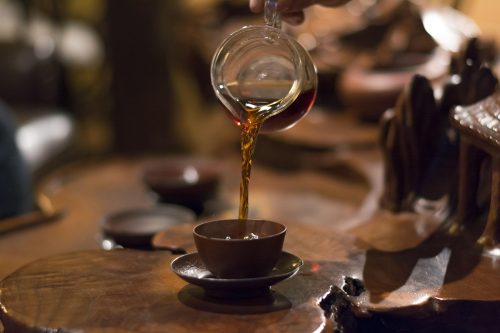
Side Effects and Interactions
You may enjoy drinking Chinese tea for blood sugar support, but you should know about possible side effects. Most people can drink green tea, oolong tea, and Pu-erh tea safely. Some people may notice problems, especially if they drink large amounts or take diabetes medicine.
- Pu-erh tea can interact with diabetes medications. This may change how well your medicine works.
- The caffeine in Pu-erh tea can sometimes raise or lower your blood sugar. You may feel shaky or notice changes in your energy.
- If you use diabetes medicine, you should watch your blood sugar closely when you add Pu-erh tea to your routine.
Tip: Start with small amounts of Chinese tea and see how your body reacts. If you feel unwell, stop drinking the tea and talk to your doctor.
You may also hear different things about Chinese tea and blood sugar. Some studies show mixed results. Your genes and the type of tea you drink can change how your body responds. The table below shows what researchers found in recent years:
| Study Year | Findings |
| 2017 | Mixed results on green tea benefits for diabetes management, influenced by genetics and tea type. |
| 2023 | Study with 2,200 Chinese adults showed tea consumption led to reduced insulin secretion and worse insulin resistance. |
| N/A | Green tea is preferable to sugar-sweetened beverages, despite mixed results in diabetes studies. |
When to Consult a Doctor
You should always talk to your doctor before you use Chinese tea to manage blood sugar. This is very important if you take medicine for diabetes or have other health problems. Your doctor can help you decide if green tea, oolong tea, or Pu-erh tea is safe for you.
- If you notice side effects like a fast heartbeat, stomach pain, or big changes in blood sugar, call your doctor.
- If you plan to drink more than a few cups of tea each day, ask your doctor first.
- If you are pregnant, breastfeeding, or have kidney problems, you should get medical advice before drinking large amounts of tea.
Note: Your doctor can help you make the best choices for your health. Always share any new symptoms or concerns.
You can enjoy Chinese tea as part of a healthy lifestyle, but you should use it wisely. Careful steps help you get the benefits while staying safe.
You saw that Chinese tea like green tea, oolong tea, Longjing, and tea polyphenols may help with blood sugar. Research shows drinking four cups of tea every day can lower your chance of type 2 diabetes. Look at the table below for more facts:
| Tea Consumption | Reduced Risk of Type 2 Diabetes | Study Population | Duration |
| At least 4 cups/day | 17% lower risk | 5,199 adults | 10 years |
| 1 to 3 cups/day | 4% lower risk | 1,076,311 participants | Various countries |
Pick the best tea for you and talk to your doctor before you change your habits. Try drinking Chinese tea every day to help your health.
Note: Always ask a healthcare expert for advice that is right for you.
References:
- National Institutes of Health
- Journal of Nutrition
- Diabetes Care
FAQ
Can drinking Chinese tea help lower my blood sugar?
You may see lower blood sugar when you drink Chinese tea like green tea or oolong tea. Studies show tea polyphenols help your body manage glucose. Try drinking tea daily for best results.
How much green tea should I drink for blood sugar support?
Experts suggest drinking three to six cups of green tea each day. You can spread your cups throughout the day. This habit may help you keep your blood sugar steady.
Is oolong tea safe if I take diabetes medicine?
Oolong tea is usually safe. You should talk to your doctor before adding oolong tea to your routine. Tea polyphenols can interact with some diabetes medications.
What is the best way to brew Chinese tea for health benefits?
Use fresh leaves of green tea, oolong tea, or Longjing. Steep in hot water for two to three minutes. Drink your tea plain. Avoid sugar or sweeteners to protect your blood sugar.